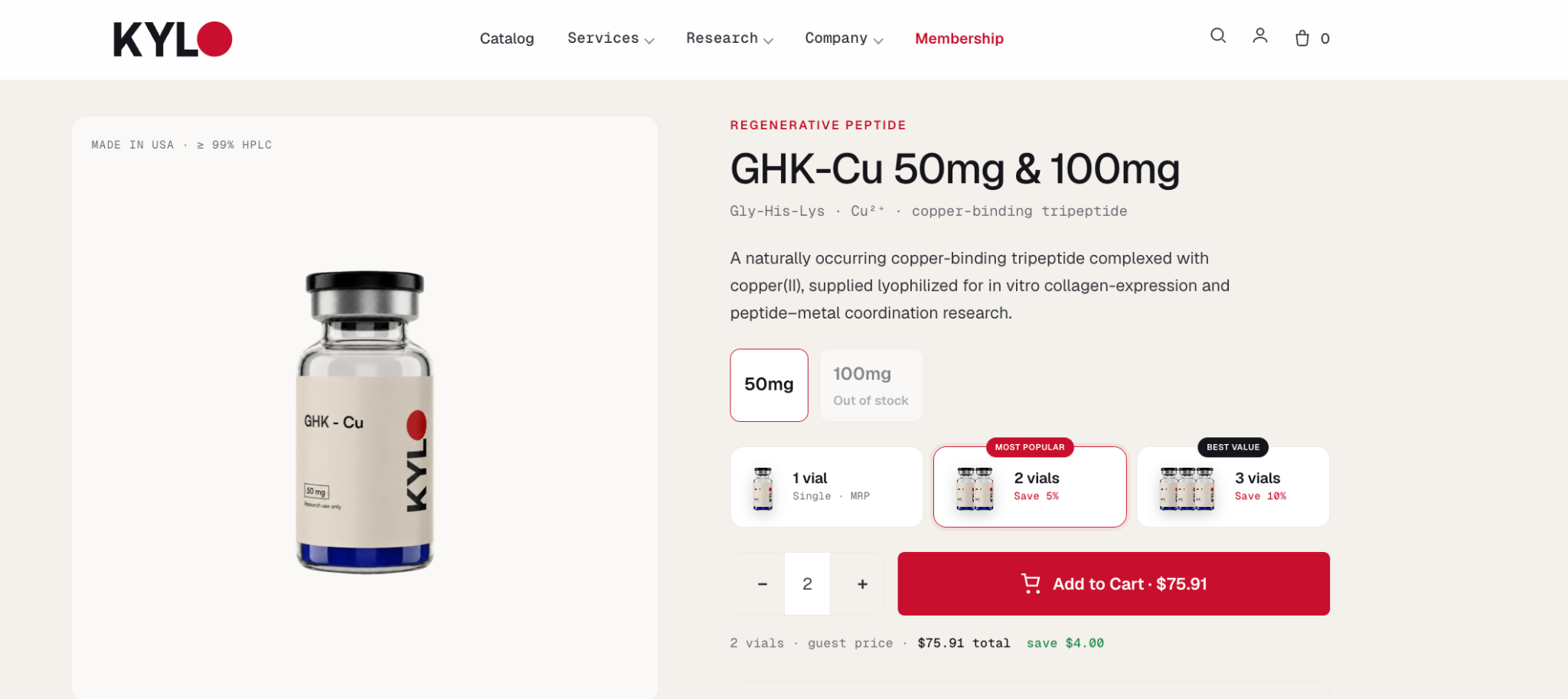
Examples include: peptide therapy (at high doses or long-term use) TB-500 (Thymosin Beta-4) VEGF-mimetic peptides Tesamorelin/peptide therapy (via IGF-1 pathways) Potential risks of prolonged use: Scar tissue overdevelopment Feeding abnormal or cancerous cell growth Disrupting blood flow in sensitive tissues (eyes, kidneys) Thats why we recommend cycles like: TB-500 : 610 weeks on, 4+ weeks off peptide therapy injections : short-term, with oral BPC for maintenance Tesamorelin/peptide therapy : rotated or paused to avoid overexposure Other Peptides That Benefit From Cycling Even non-angiogenic peptides benefit from breaks: Thymosin Alpha-1 : 5-week cycles, 23x per year GHK-Cu : 78 week cycles, followed by rest Semax & Dihexa : pulsed use to maintain brain sensitivity 5-Amino-1MQ : cycled after 23 rounds for metabolic reset Each protocol is tailored to half-life, tissue targets, and sensitivity feedback

Handling and procedure errors Extended removal from refrigeration during dose preparation wastes cold chain protection
Mehr dazu erfahren Sie hier
Actually, you can recall when the first papers about Kispeptin came out
Administered by injection, this product offers precise dosage control and is suitable for use in a wide range of animal species, including dogs, cats, horses, cattle, sheep, and pigs