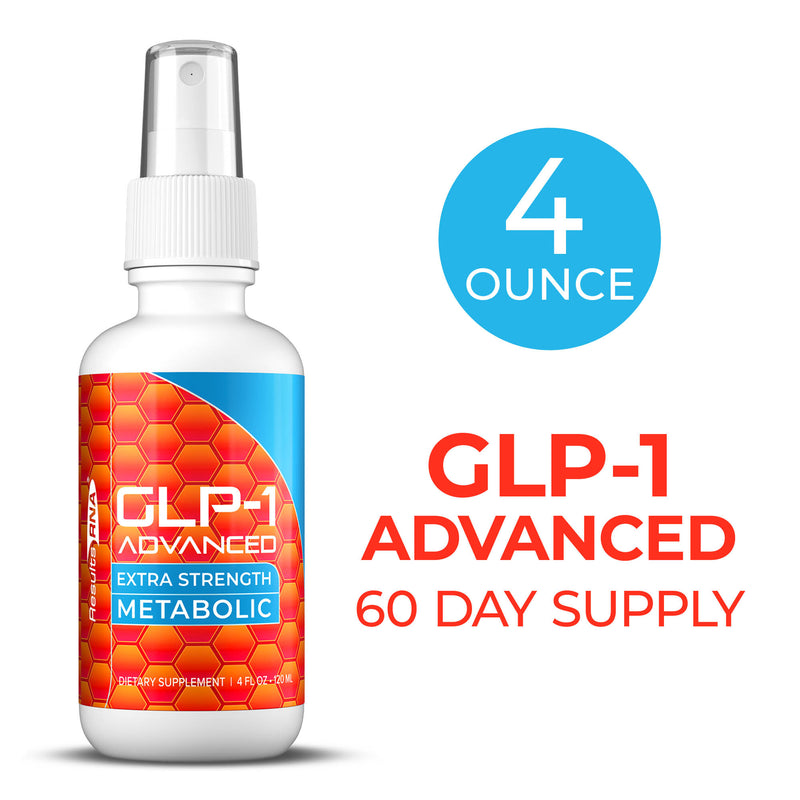
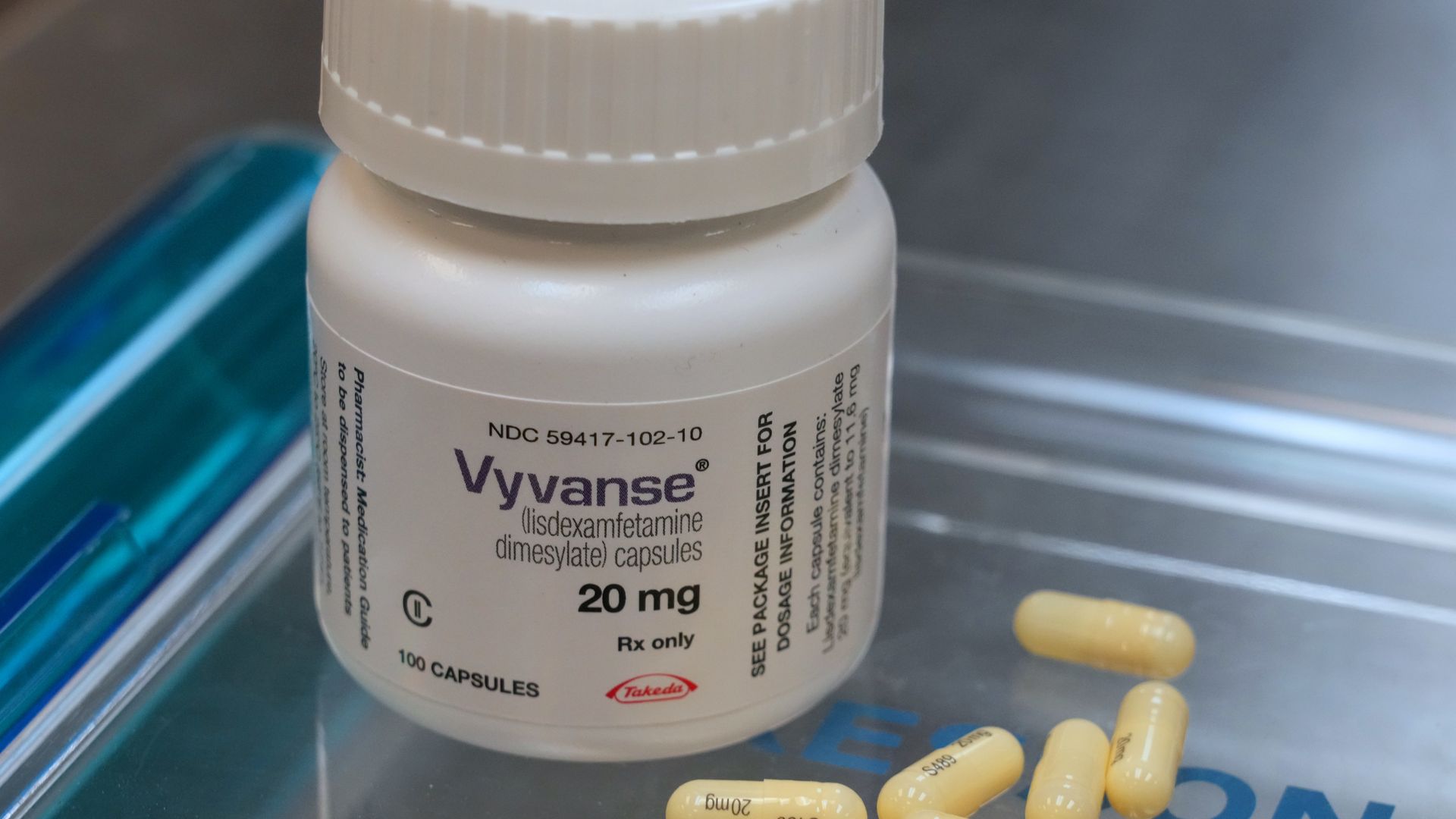
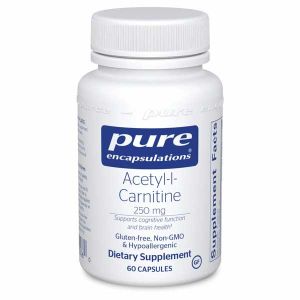
This question is increasingly circulating in biohacking and peptide communities, but the honest clinical answer is clear: there is no published evidence, pharmacokinetic data, or regulatory guidance supporting this combination
[6] This mechanism of action underlies its clinical uses: it induces ovulation in women who need assistance conceiving, and it stimulates testosterone production in men who have functional testes but inadequate pituitary stimulation
We urge you to join usbecome a member of PAS to amplify your voice, support by donating, and taking part in our vital research into areas like SC administration and individualised frequency, and like and follow us on social media to ensure this consistent message reaches every corner of the healthcare system
And so there are people who take Kispeptin peptides as a way to stimulate these pathways
Peptide drugs, on the other hand, can be designed to bind tightly with Mcl-1, preventing it from interacting with its natural binding partner in the cell