doi:10.1016/j.tifs.2021.07.004 137
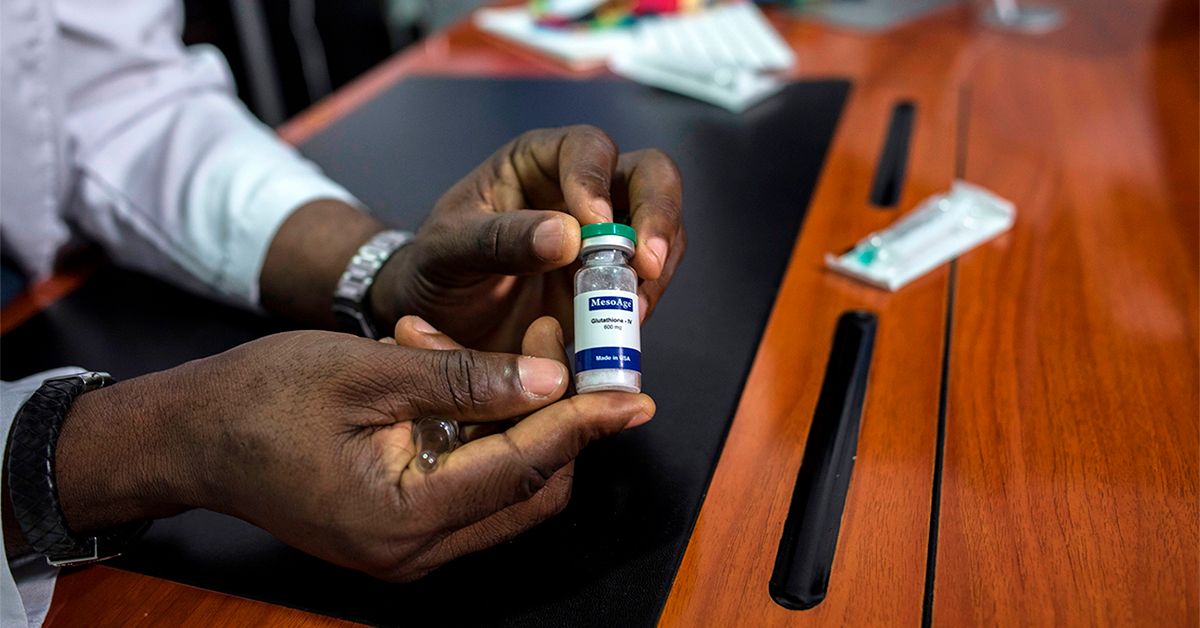
Supplementation with this antioxidant can help lighten the skin
For the body to resist these damages, it possesses a range of endogenous antioxidants, primarily enzymatic antioxidants (superoxide dismutase (SOD), glutathione peroxidase (GPX), glutathione S-transferase (GST), glutathione reductase (GR), thioredoxin reductase (TrxR), catalase (CAT), etc.), and nonenzymatic antioxidants (glutathione (GSH), bilirubin, ubiquinone, etc.) [11]
Middleton et al., 2022), but rather we have investigated a proof-of-concept to establish the feasibility of defining a NAM toolbox to be included within an NGRA approach for lung toxicity
Chronic oxidative stress is linked to a wide range of diseases, including: Cardiovascular disease : ROS damage endothelial cells lining blood vessels, promoting atherosclerosis and hypertension.[9] Neurodegenerative disorders : Oxidative damage to neurons is a key driver in conditions like Alzheimers, Parkinsons and ALS.[10] Diabetes and insulin resistance : Oxidative stress impairs insulin signaling and worsens glycemic control.[10] Cancer : DNA mutations caused by free radical damage may initiate or accelerate tumor development.[11] Autoimmune conditions : Oxidative stress can trigger inflammatory pathways, contributing to immune dysregulation.[9] Even outside of these conditions, oxidative stress contributes to fatigue, slower recovery, immune suppression and premature aging at the cellular level





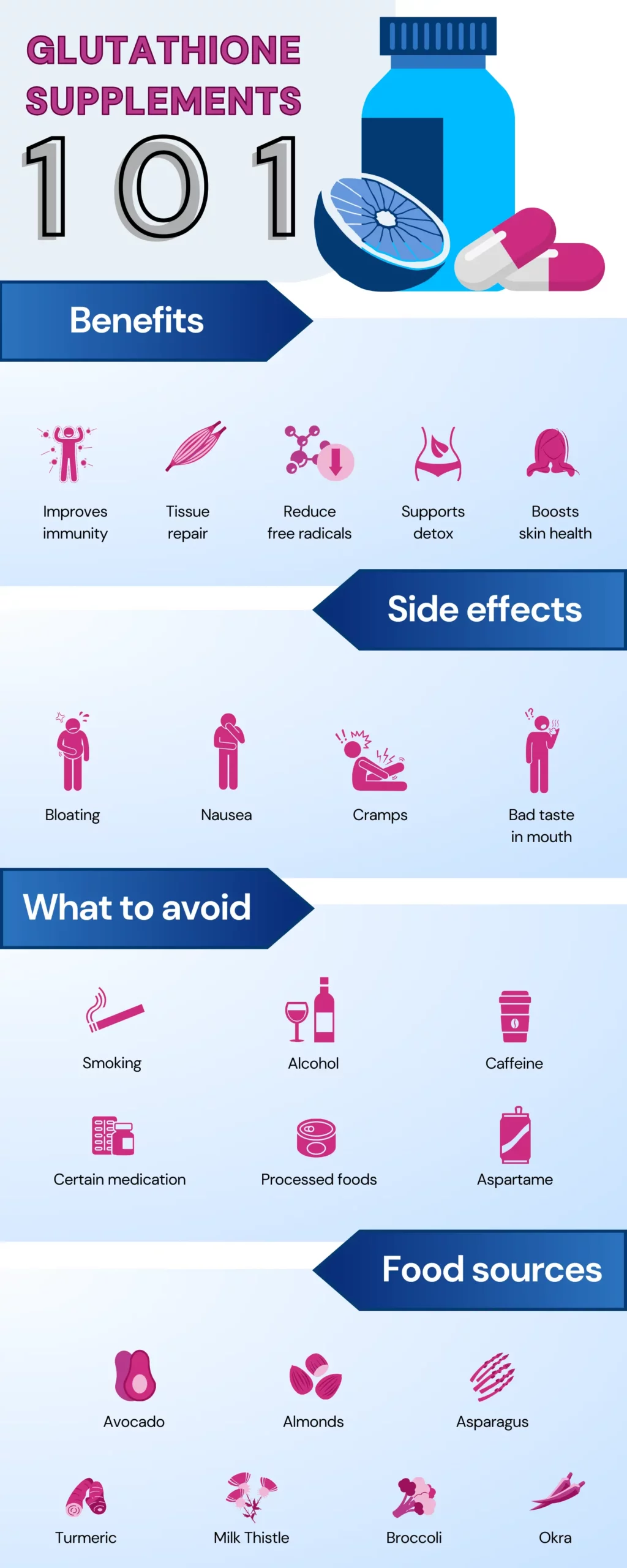
:max_bytes(150000):strip_icc()/benefits-of-glutathione-89457_final-01-502464fe91b2444285b0cccf8cb0a33c.png)








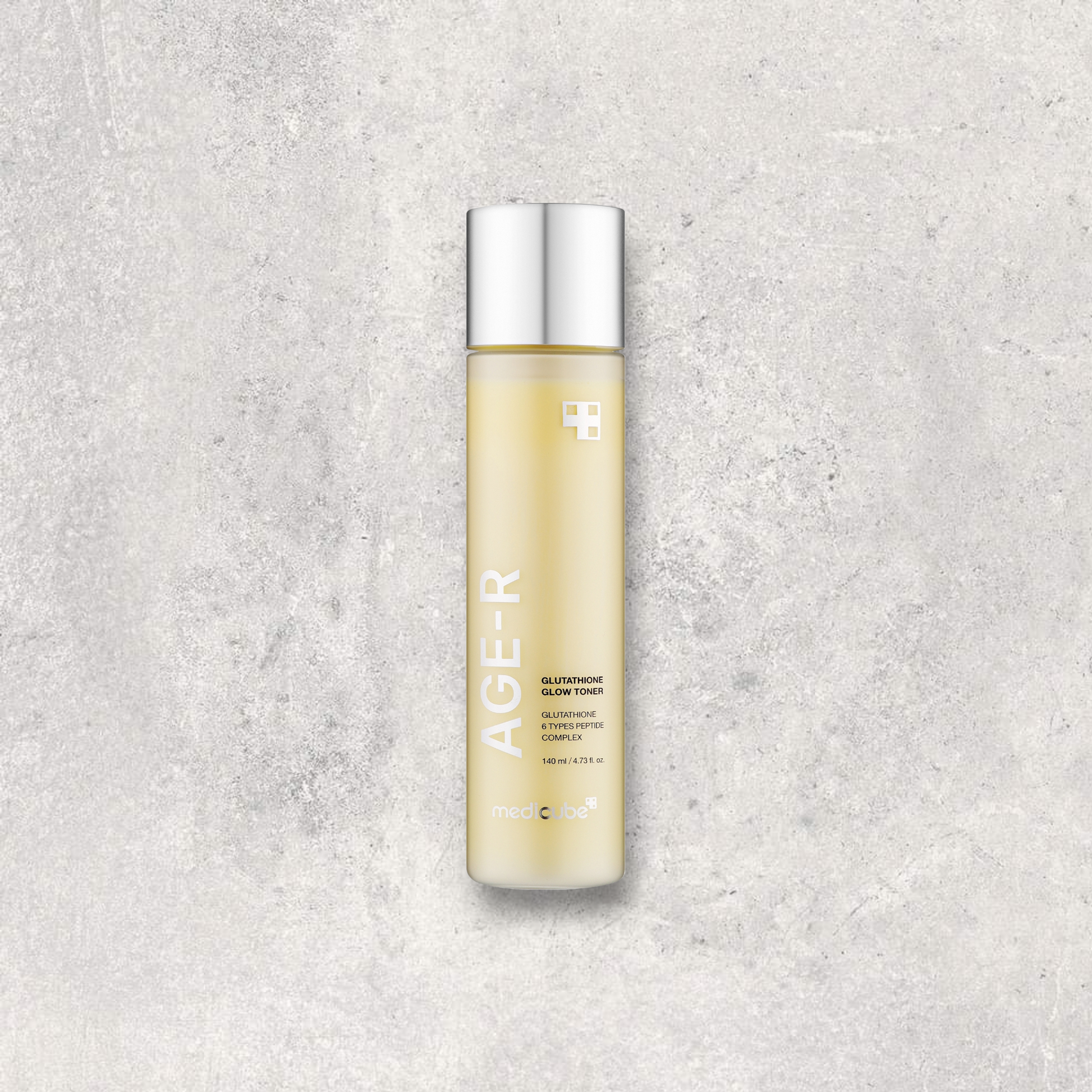
![[Medicube] AGE-R Glutathione Glow Duo – Brightening & Radiance Skincare Set](http://www.theauracasa.com/cdn/shop/files/4_5e59082d-7ec8-4e59-b516-2d686509de0d.png?v=1770248149)