Mechanism of Action BPC-157 works through several pathways: Enhanced angiogenesis (new blood vessel formation) Increased collagen synthesis and organization Growth factor modulation (VEGF, PDGF, FGF) Anti-inflammatory effects Neuroprotective properties Comparison with Other Healing Peptides BPC-157 vs TB-500 While TB-500 focuses primarily on muscle and soft tissue healing, BPC-157 offers broader healing applications including gastrointestinal, neural, and vascular benefits
However, these issues deserve further investigation in controlled, randomized and probably multicentre trials to evaluate the clinical value and the appropriate dosage of L-carnitine in each of these conditions
This macrocyclic constraint restricts conformational flexibility, contributing to the extended biological activity duration observed versus native -MSH
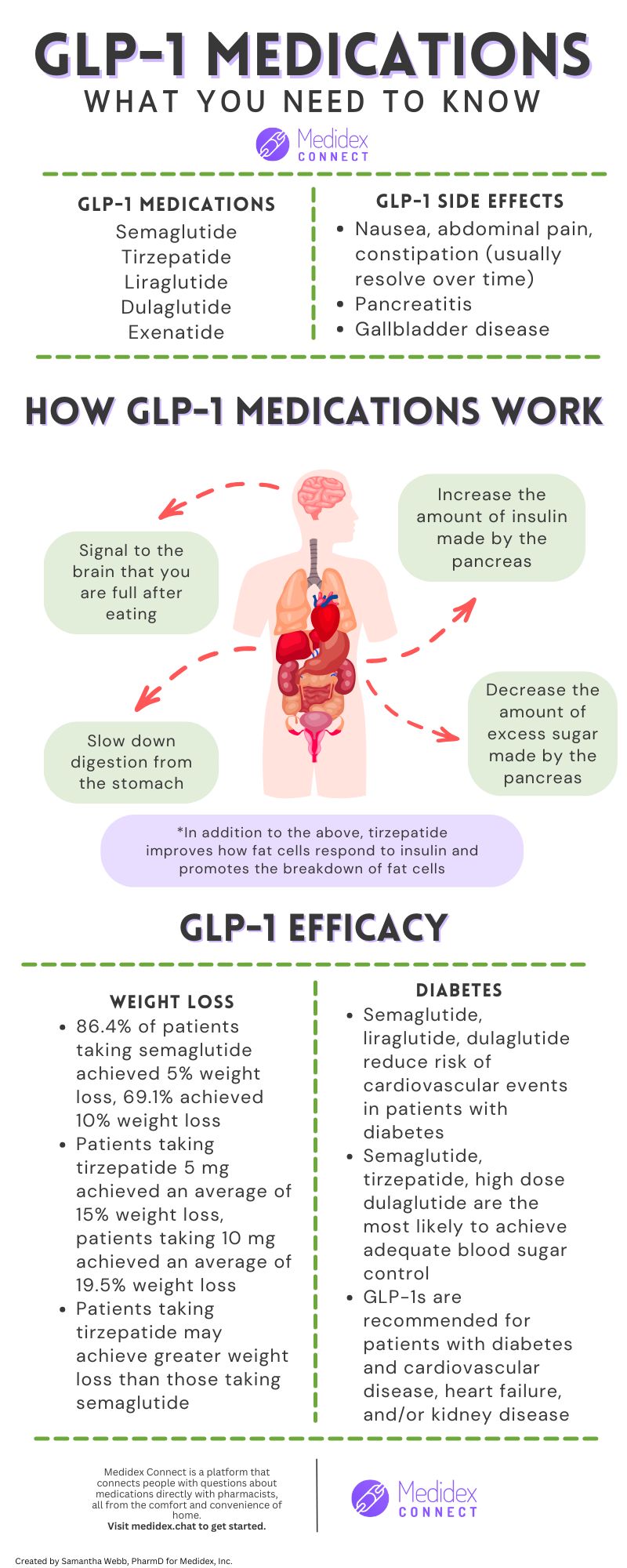
GIP receptor activation appears to enhance insulin release in a glucose-dependent manner, complementing GLP-1s effects and potentially reducing the risk of hypoglycemia in certain models
10.1002/biof.1831 BioFactors