A patient who presents for AOD-9604 as a perceived "milder" or "more natural" alternative to approved GLP-1 receptor agonists is still a patient who needs a validated depression screen (PHQ-A for adolescents), an Eating Disorder Examination Questionnaire, and a conversation about body image expectations
enthusiasm dramatically outpaces science FDA Category 2 classifications for peptides like Semax reflect absence of FDA-standard evidence, not documented harmsRussian clinical experience suggests reasonable safety, but long-term effects by Western standards remain uncharacterized Established interventionsexercise, Mediterranean diet, sleep optimization, cardiovascular risk management, cognitive engagementhave far more consistent evidence than any peptide for dementia risk reduction For Research Prioritization Compounds meriting continued investigation: GLP-1 Agonists: Prevention trials in preclinical/presymptomatic populations, testing compounds with better brain penetration (dulaglutide, lixisenatide) SS-31/Elamipretide: Cognitive outcomes in mitochondrial disease populations, potential expansion to brain aging indications P21: Phase I human trials to establish safety, pharmacokinetics, and proof-of-mechanism for CNTF-pathway neurogenesis Klotho: Watch for Phase 1 results from Jocasta Neuroscience (expected 2027-2028)
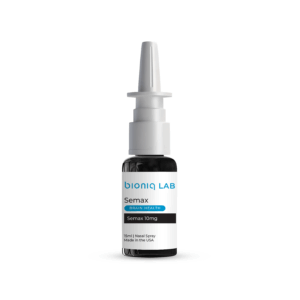
The peptide interacts with dopaminergic systems without directly binding to dopamine receptors
Storage and handling Store the blend cool, dry and dark in accordance with the label, usually refrigerated
A separate trial in HIV-positive adults showed similar cognitive improvements
















![Machamp (9/101) [EX: Hidden Legends] Dragons of Tarkir Prerelease Promos](https://cdn.shopify.com/s/files/1/0378/1125/7476/products/030b4bdb-7a89-41ed-960f-f8887feec58f_ce66d3c0-3961-4049-9ce1-cf8e19e1391e.png?v=1696316587)