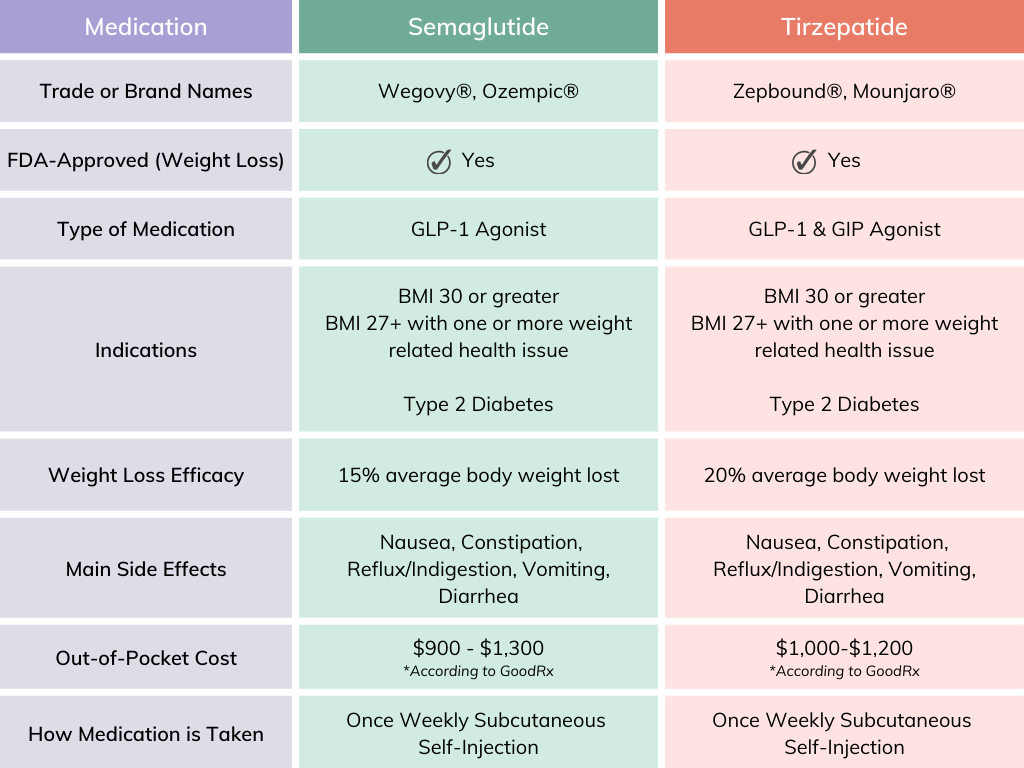
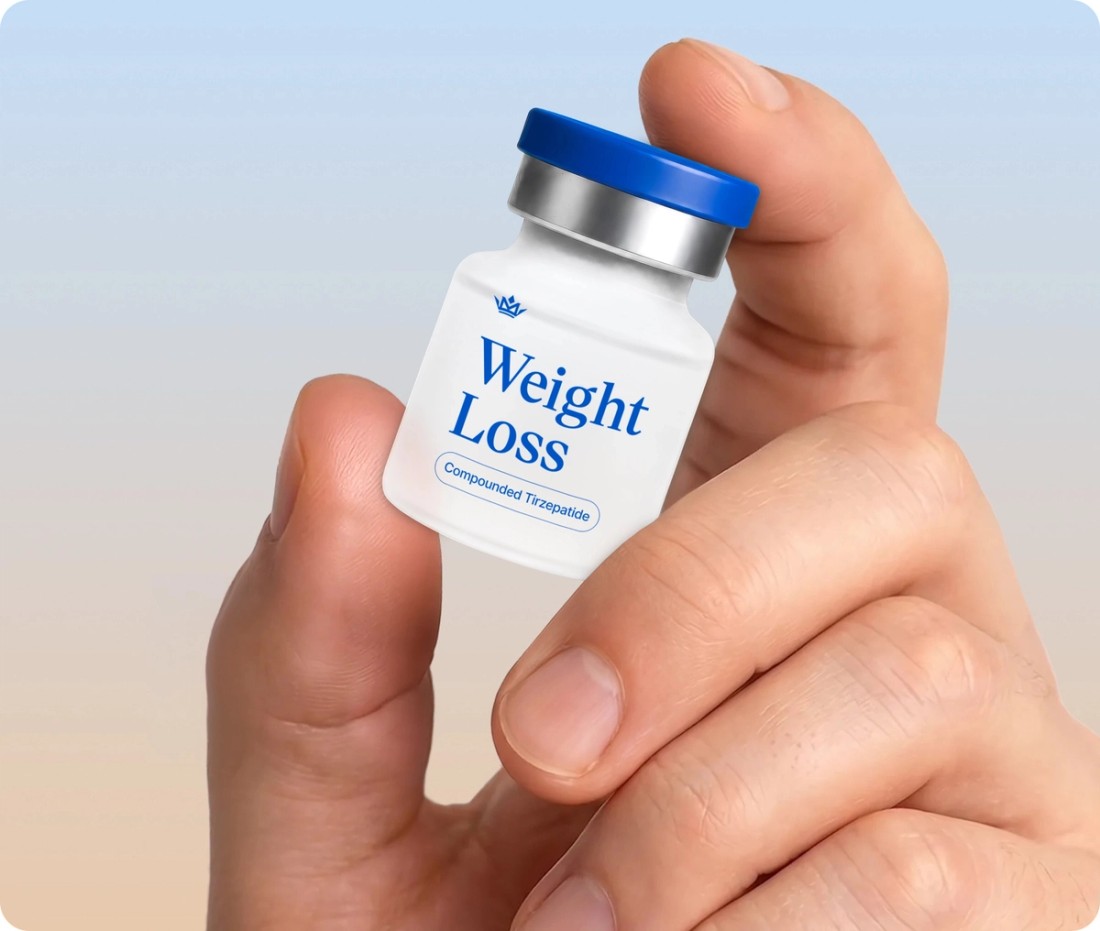
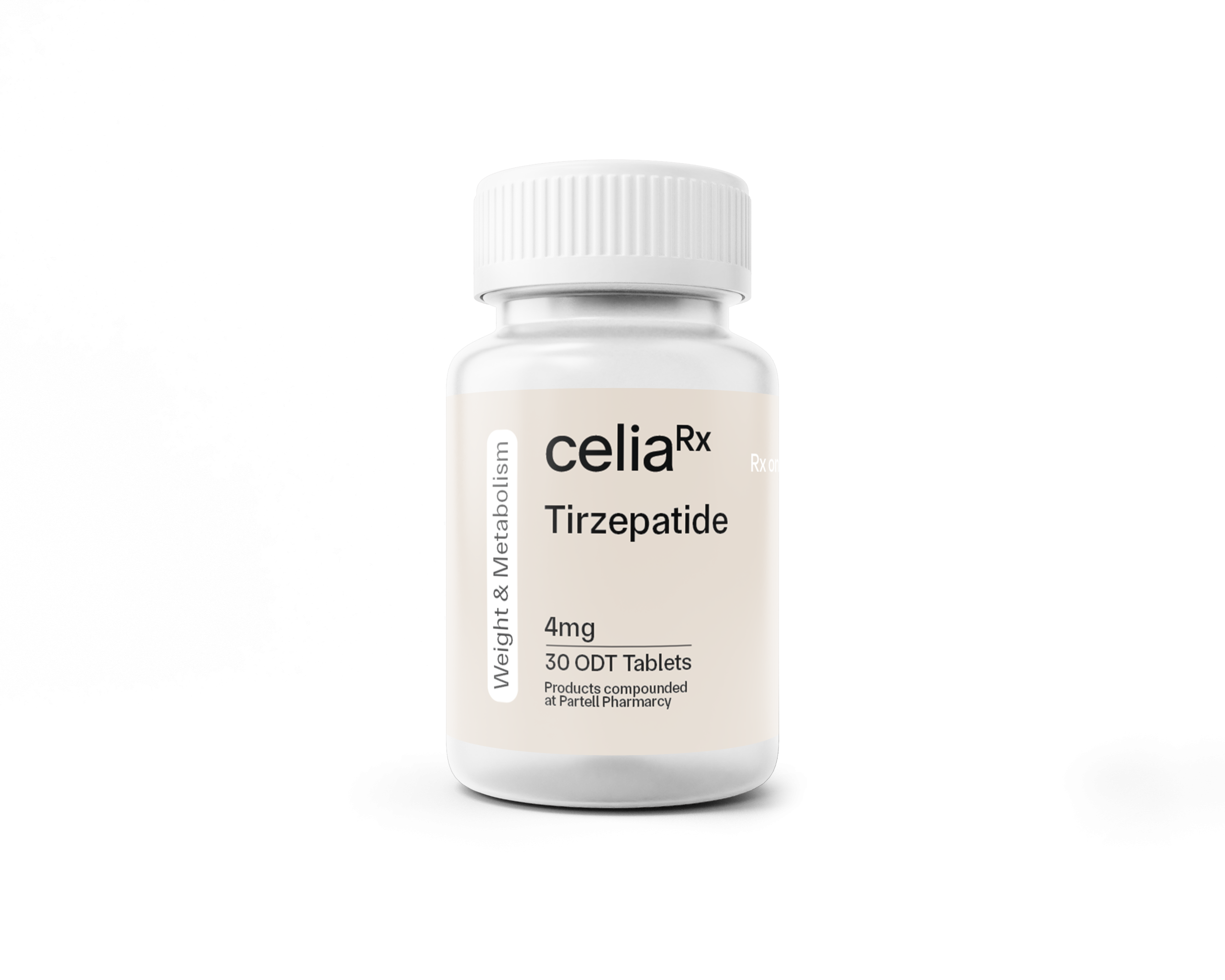
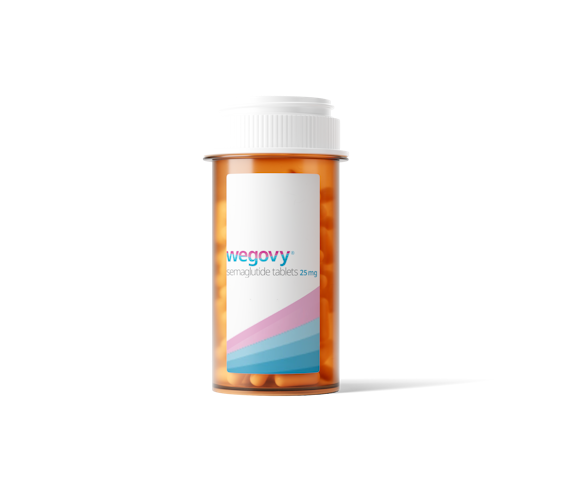
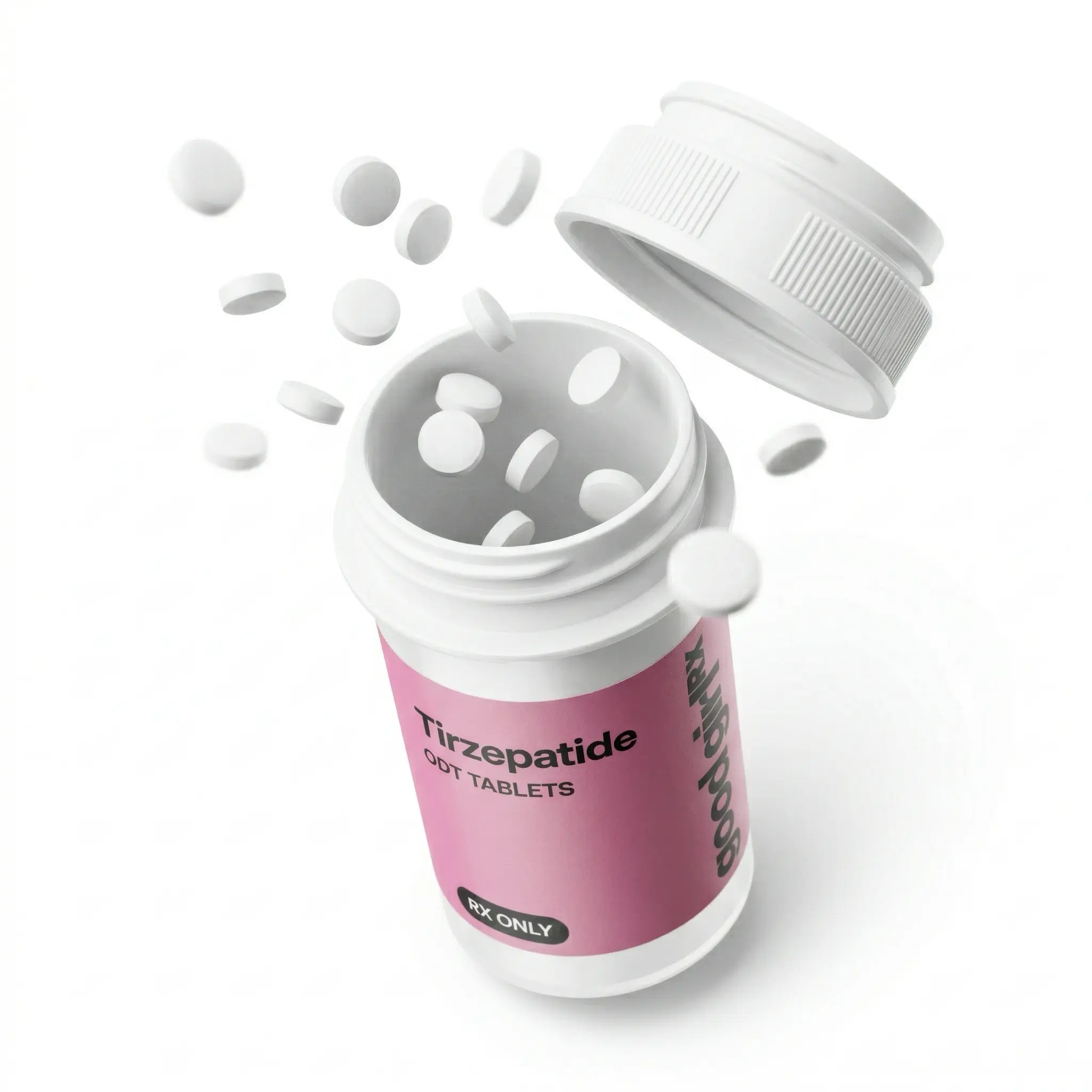
Alternating between semaglutide and tirzepatide on a weekly or monthly basis may prevent the receptor desensitization that contributes to stalls on either medication alone

In LPS-induced neuroinflammation models, ALC confers neuroprotection by suppressing the TLR4/NFB pathway, restoring autophagy activity, and inhibiting oxidative stress.[13] ALC reduces microglial activation and release of inflammatory mediators by balancing pro-inflammatory and anti-inflammatory cytokines.[14][15] ALC attenuates microglial activation in a dose-dependent manner, with 100 mg/kg/day showing beneficial effects on LPS-induced neuroinflammation in mice, associated with increased brain-derived neurotrophic factor (BDNF) concentration.[14] In repetitive mild traumatic brain injury models, ALC treatment showed protective effects against neurodegeneration and inflammation, reducing mRNA levels of MAPT, TNF, and GFAP in the cortex.[16] Combination Strategies for Neuroinflammation: ALC 1,500-2,000 mg/day + PEA 1,200 mg/day (complementary anti-inflammatory mechanisms) + Omega-3 fatty acids 2-4 g/day (specialized pro-resolving mediator precursors) + Curcumin 500-1,000 mg/day (complementary NF-B modulation) 4

This leads to persistent vomiting, severe pain, and an inability to keep fluids down
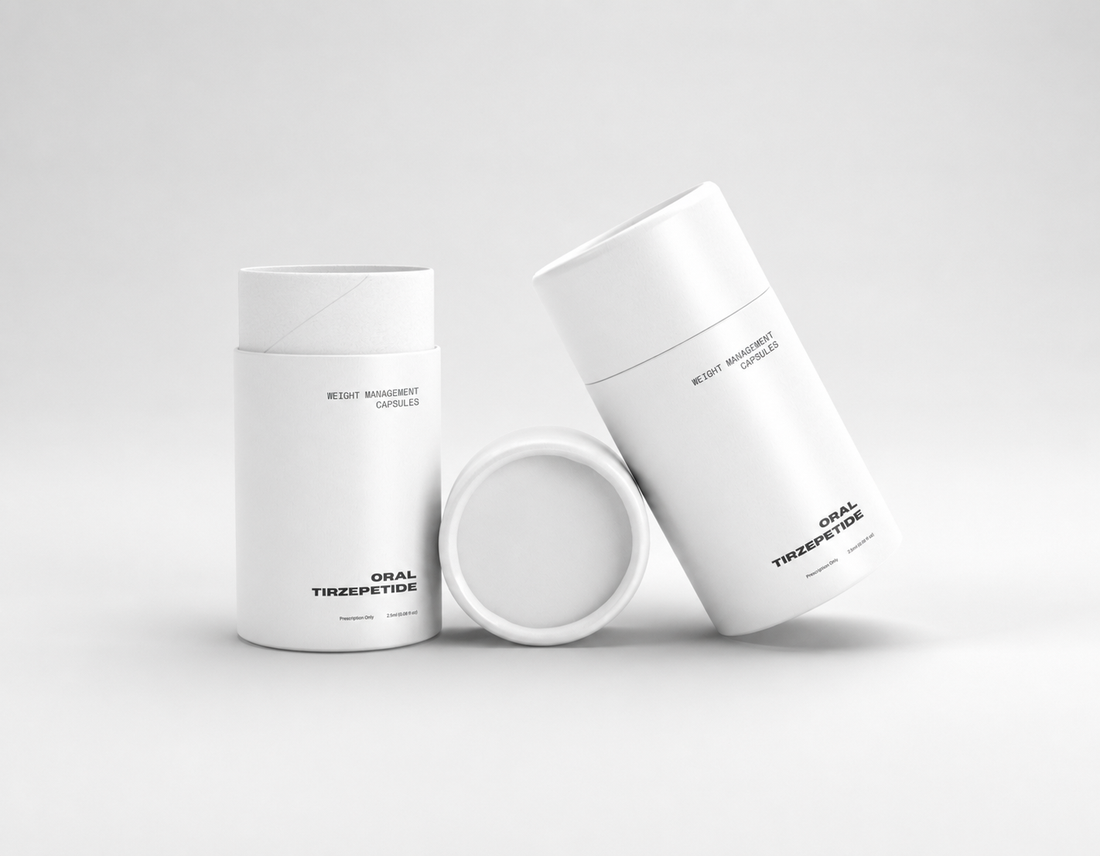
Oral peptide-based drugs are set to revolutionise the pharmaceutical industry, overcoming the long-standing challenge of poor bioavailability
The pharmacology of drugs such as Glucagon-like peptide-1 receptor agonists (GLP-1 RAs) and dual incretin receptor agonists is mainly characterized by two mechanisms of action