Locatelli, Joo Carlos
Dou Y-X, Zhou J-T, Wang T-T, Huang Y-F, Chen VP, Xie Y-L, Lin Z-X, Gao J-S, Su Z-R, Zeng H-F (2018) Self-nanoemulsfiying drug delivery system of bruceine D: a new approach for anti-ulcerative colitis
Renal IRI or sham surgery was performed prior to the glucose tracing experiment
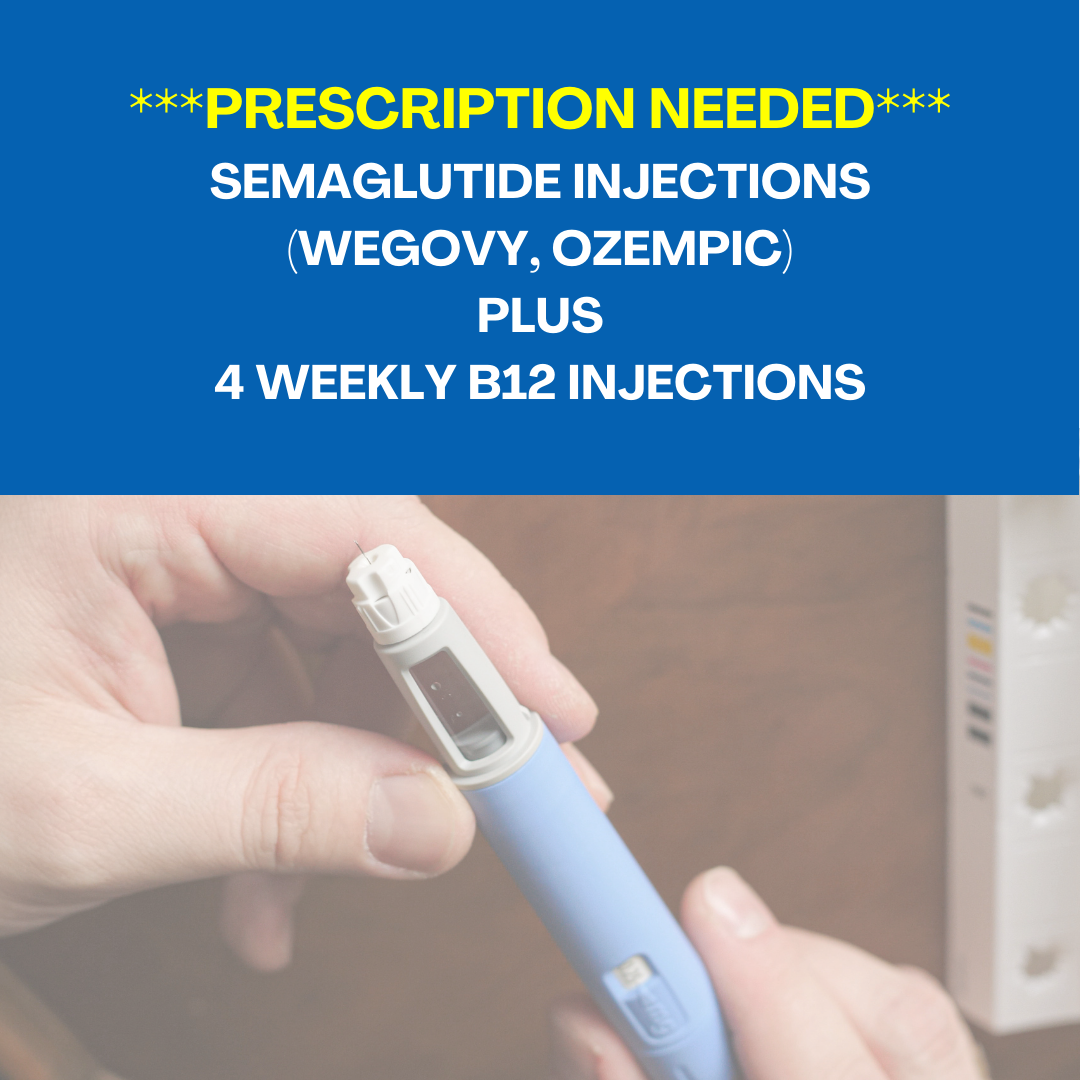
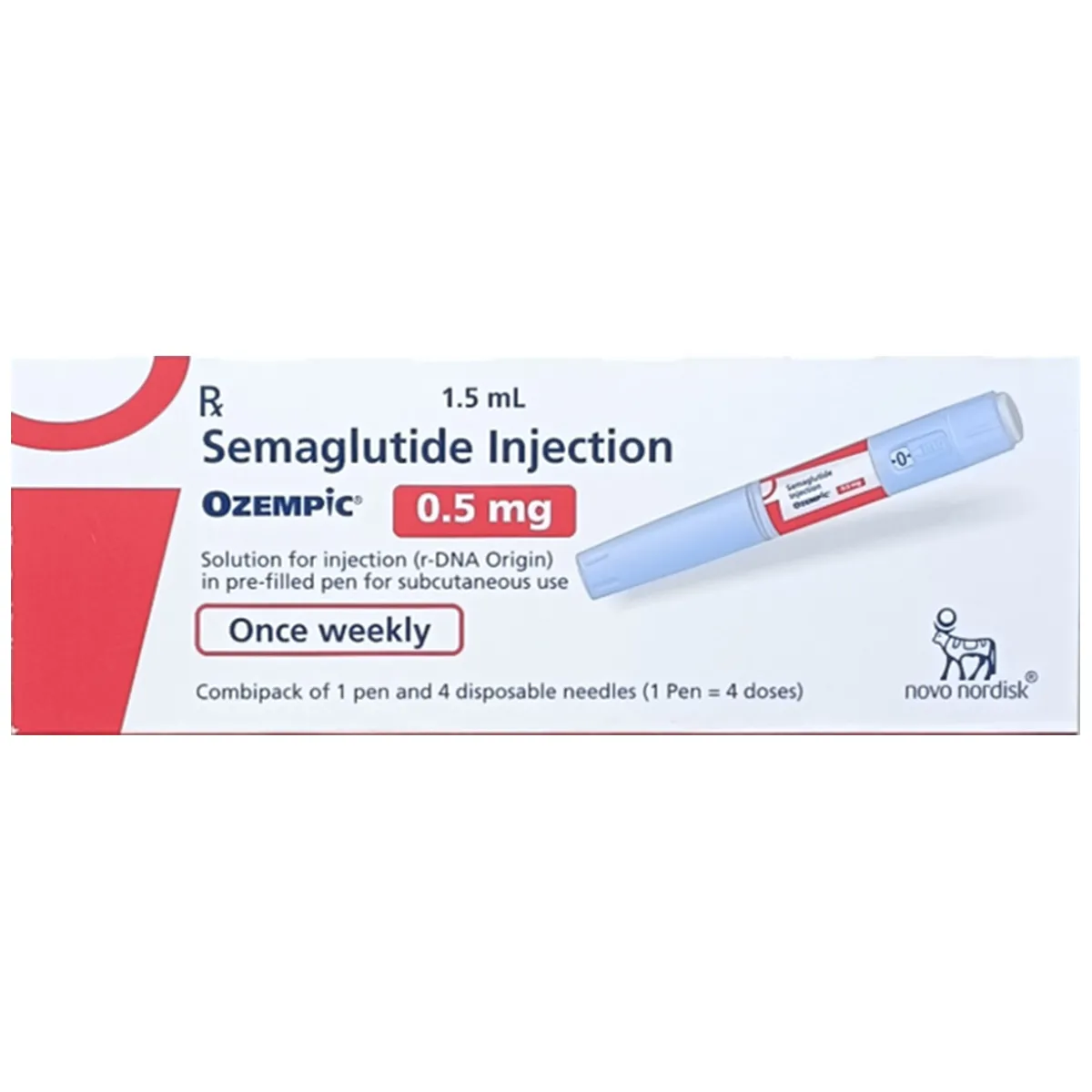
A structured monitoring plan typically includes: Baseline labs : HbA1c, fasting glucose, kidney function, and lipid profile before starting Gradual dose escalation : starting at the lowest dose for 4 weeks and increasing only if tolerated, to minimise nausea Follow-up HbA1c : usually at 12 weeks to confirm the medication is working as expected Weight and waist circumference tracking : alongside diet and activity counselling, since medication alone rarely sustains results without lifestyle support Screening for rare but serious side effects , including pancreatitis symptoms and gallbladder issues, especially in the first few months what happens if you stop treatment : check full details Patients on continuous glucose monitoring often see the clearest, fastest feedback on how their body responds to either option one more reason a supervised program beats a self-directed one

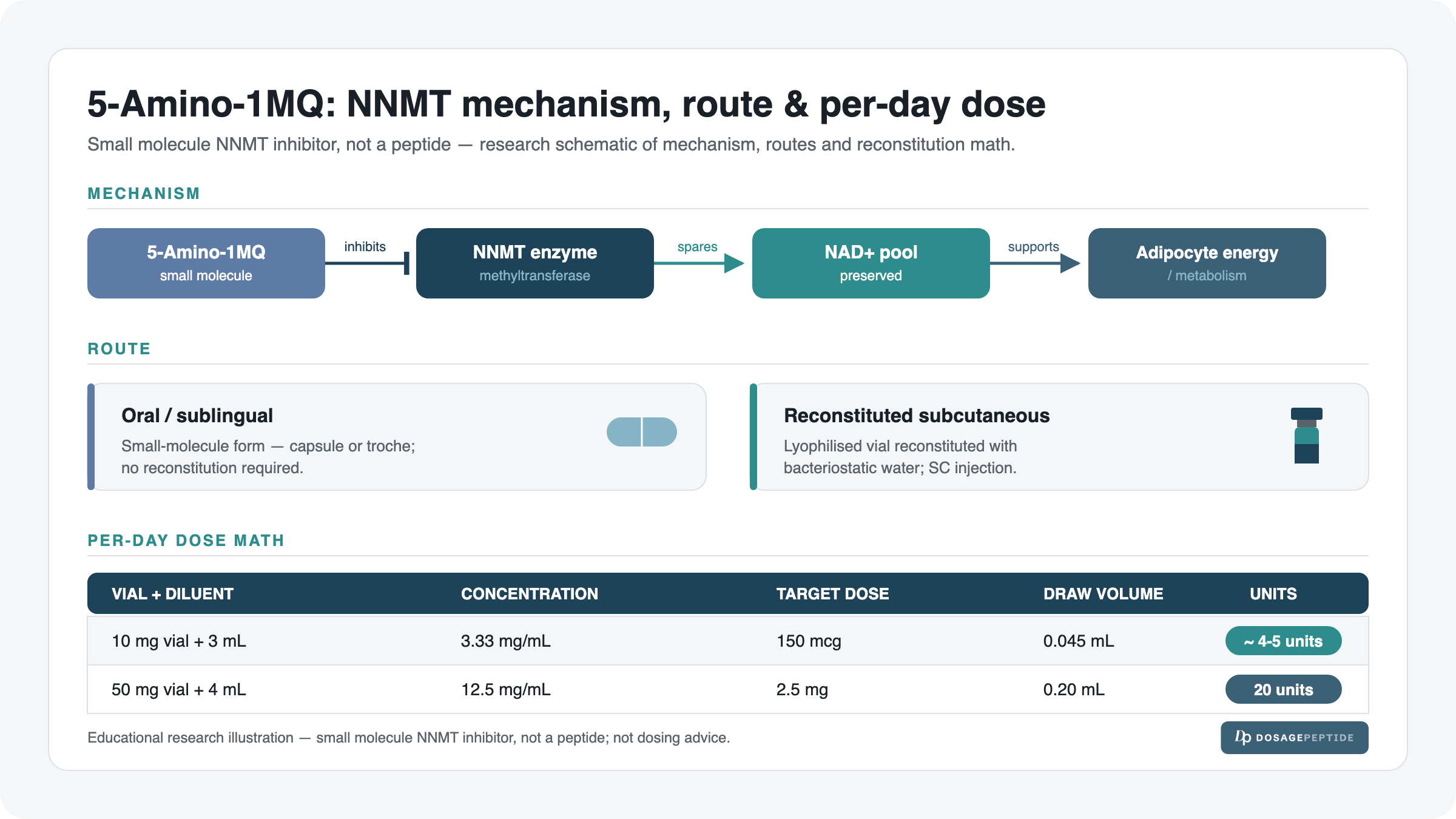
Popular Peptide Calculator Searches Peptide reconstitution calculator Peptide dose calculator Peptide mixing calculator Peptide concentration calculator Peptide dilution calculator Research peptide calculator GLP-1 peptide calculator BPC-157 calculator Semaglutide calculator