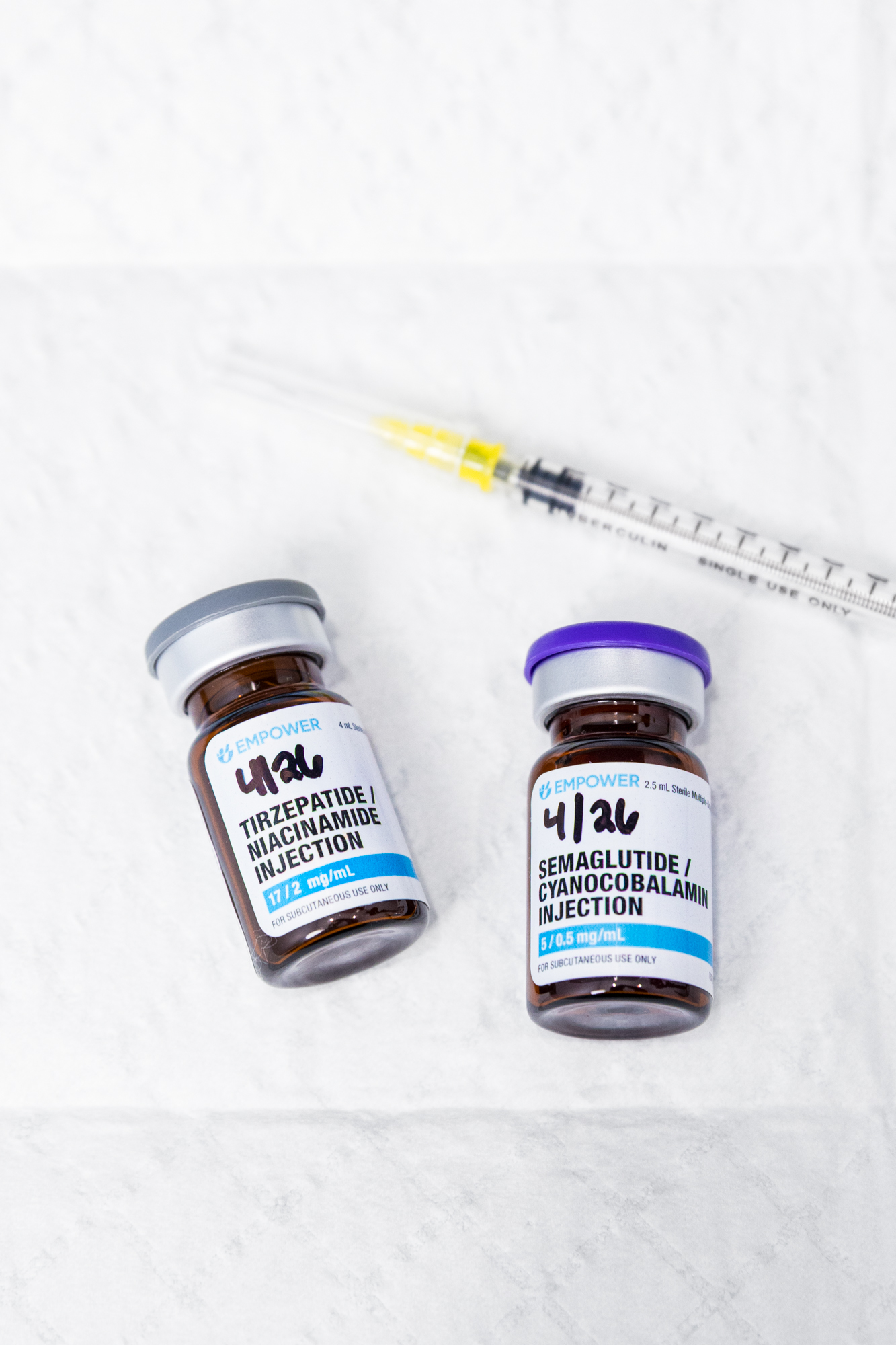
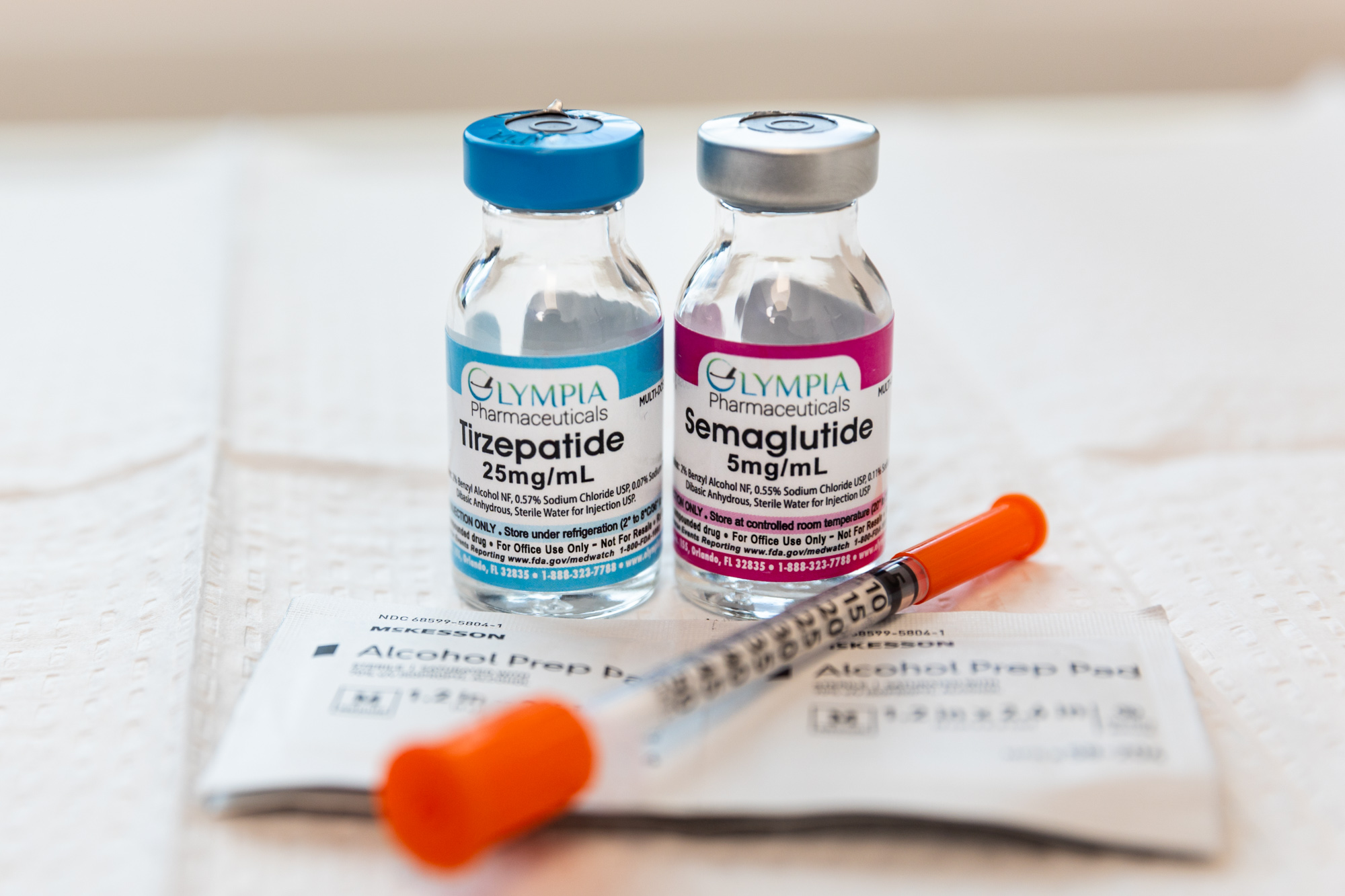
While peptides like AOD-9604 and Tesamorelin are emerging as fat-reducing options, medical supervision is crucial for safe and effective use
Thus, FOXO4-DRI is able to recognise and target the problem cells without damaging the healthy ones
Among these, the Ghk-Cu peptide stands out for its impressive benefits in skin rejuvenation, wound healing, and more

Step-by-step reconstitution process Supplies needed: 50mg GHK-Cu vial (lyophilized powder) 5ml bacteriostatic water 3ml or 5ml syringe Alcohol wipes Reconstitution steps: Clean workspace Wash hands thoroughly Wipe vials with alcohol Draw bacteriostatic water Draw 5ml into syringe Remove air bubbles Add water to GHK-Cu Insert needle through rubber stopper Slowly inject water down side of vial (not directly on powder) Aim stream at glass wall, not powder Let dissolve Remove syringe Swirl gently (don't shake) Let sit 1-3 minutes Swirl again until completely clear Inspect solution Should be clear (slightly blue tint normal) No particles or cloudiness If not clear, swirl more Label vial Write concentration (10mg/ml) Write date reconstituted Write expiration (30 days) Refrigerate immediately Store at 2-8C Protect from light Use within 30 days See our peptide storage guide , how long reconstituted peptides last in fridge , and lyophilized vs liquid peptides

These well-characterized findings show that immature red blood cells suffer ferroptosis stress from iron accumulation and oxygen during stress erythropoiesis, while ferroptosis is rarely detectable in normal red blood cells