Phase 1b Finding Studies Early-phase research established the pharmacologic profile and optimal dosing: 17.1% weight loss at 20 weeks in Phase 1b studies with cagrilintide 2.4 mg plus GLP1 2.4 mg Dose-proportional exposure with cagrilintide doses from 0.16 to 4.5 mg evaluated No pharmacokinetic interactions between the two peptides when co-administered Tolerance optimization through gradual dose escalation over 16-week co-titration period Safety profile characterization establishing gastrointestinal events as primary adverse effects Cardiometabolic Benefits Research Beyond weight reduction, clinical trials documented broad metabolic improvements: Systolic blood pressure reduction of clinically meaningful magnitude Waist circumference decrease indicating preferential visceral fat loss Prediabetes reversal with 88% of prediabetic participants achieving normoglycemia Lipid profile optimization with improvements in cholesterol and triglyceride levels Inflammatory marker reduction suggesting broad metabolic health improvements Comparative Efficacy Studies Research comparing this combination to other anti-obesity medications revealed: Superior weight loss to GLP-1 agonists alone including high-use GLP1 monotherapy Comparable efficacy to triple agonists in some analyses, depending on endpoints Additive effects with approximately 7.4% additional weight loss beyond GLP1 monotherapy Distinct response patterns with some patients showing exceptional individual responsiveness Maintained efficacy across diverse patient subgroups including age, sex, and baseline BMI categories Critical Context on Human Data: Unlike many investigational peptides, the GLP1-cagrilintide peptide blend combination has extensive Phase 3 human clinical trial data from over 4,600 participants

24/7 Profesionales de la salud disponibles siempre, con cobertura nacional
The summary a careful reader should take away: the oncological concern is theoretical and pathway-based
If you have sensitive skin, start with alternate days to see how your skin reacts, then increase gradually
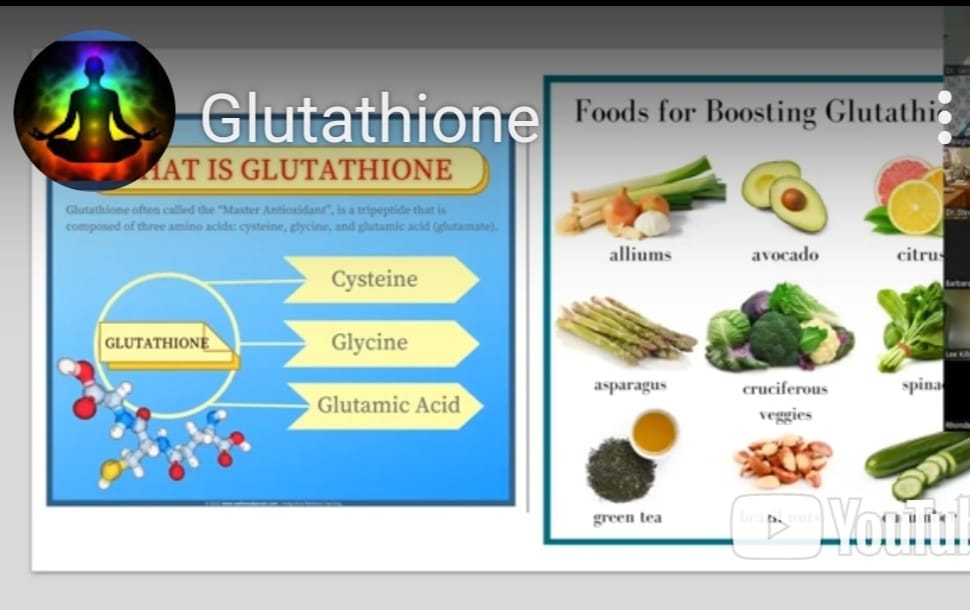
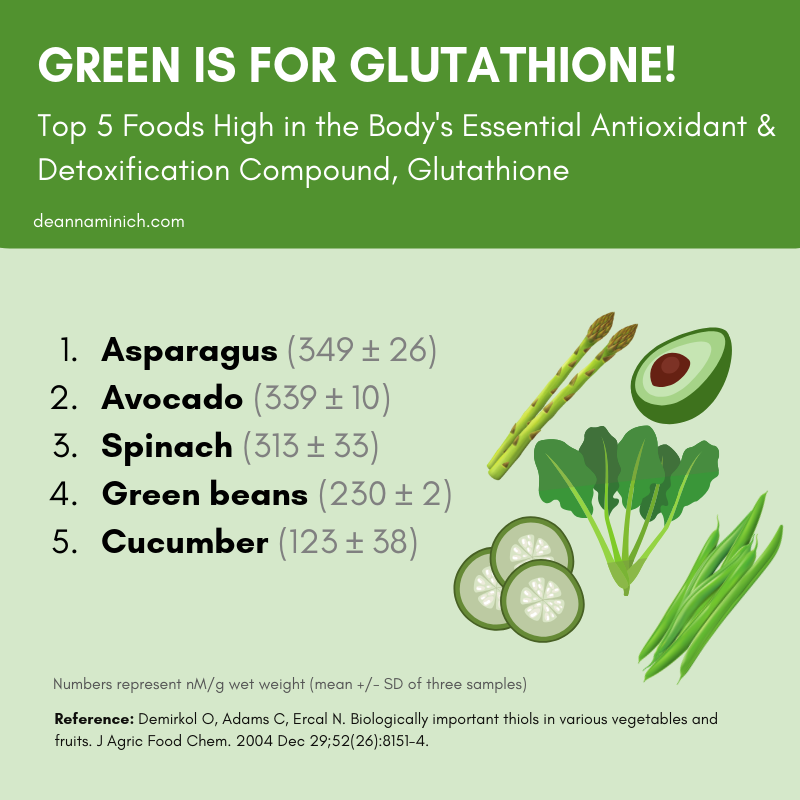
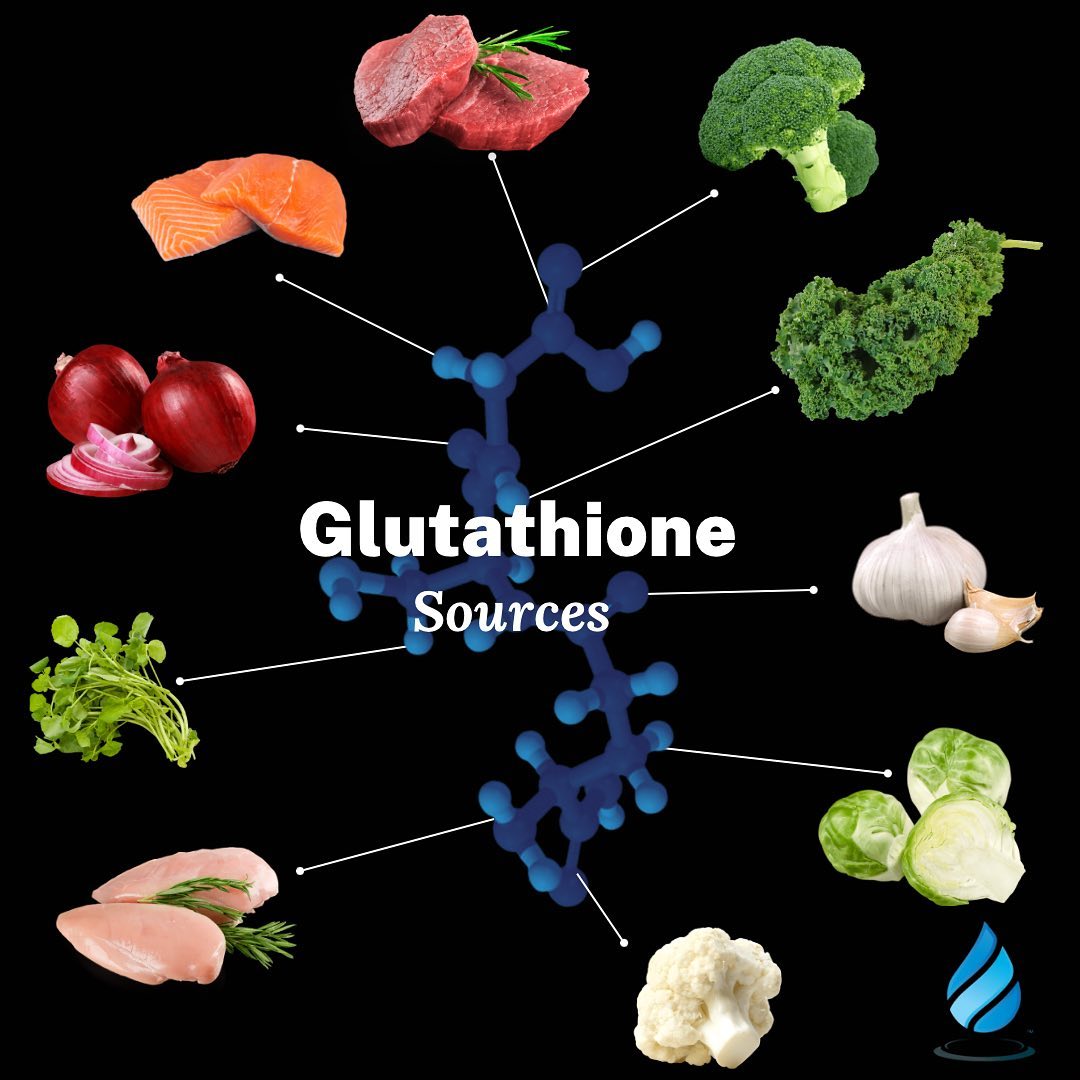
Intracellular GSH balance is maintained by de novo synthesis, regeneration from GSSG, and extracellular GSH uptake