While it is not classified as a controlled substance, using it outside of a research or veterinary context may be considered off-label or illegal in certain jurisdictions
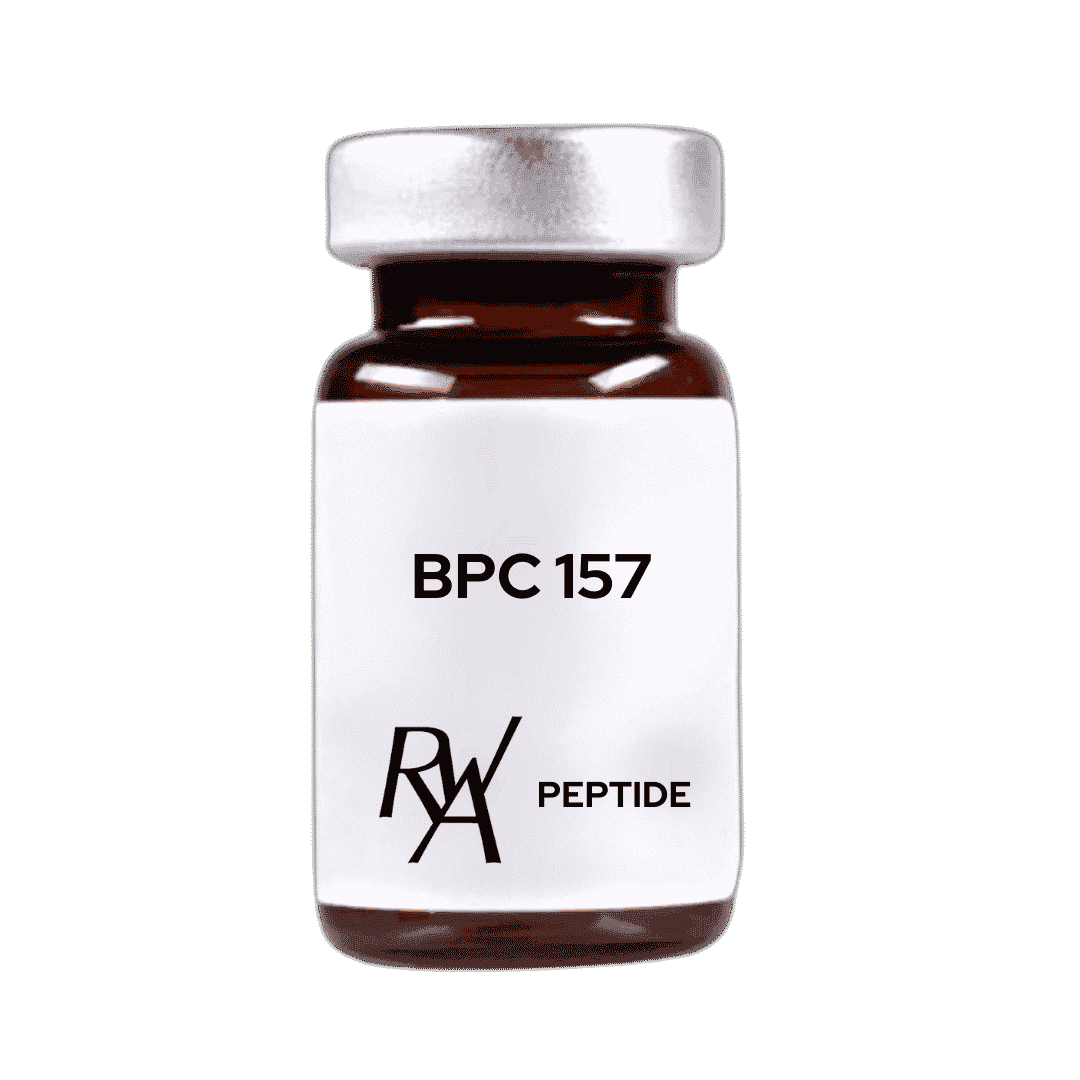
BPC-157 appears to act at the gene expression level, potentially influencing actin production, whereas TB-500 is thought to interact more directly as an actin-binding protein
In metabolic research, understanding how compounds influence adipocyte functionbalancing fat storage vs
[3] It is examined for its role in peptide-metal interactions, redox signaling, and metalloproteinase regulation
Despite its synthetic form, its designed to mimic the bodys own regenerative processes, especially in the areas of inflammation, tissue damage, and healing