Additional Monitoring May Be Considered In Research Models Involving: Significant pigmentation variability or extensive freckling Large numbers of moles or atypical pigmentation-related findings UV-response variability and dermatological sensitivity Cardiovascular or significant cardiometabolic conditions Mood-related, psychiatric, or neuroendocrine conditions Neurological sensitivity or chronic migraines Hormonal or melanocortin-related research models Multiple concurrent melanocortin, neuroregulatory, or stimulant-related compounds Avoid or Carefully Evaluate in Research Models With: Known hypersensitivity to peptide compounds Active melanoma or suspicious pigmentation-related findings Severe uncontrolled cardiovascular disease Severe uncontrolled mood-related, psychiatric, or neurological conditions Active severe systemic illness Pregnancy or breastfeeding contexts Additional Research Considerations Because Melanotan II may influence melanocortin, pigmentation-related, and neuroendocrine signaling pathways, research protocols may warrant monitoring of: Pigmentation and melanogenesis-response variability Pigmentation variability involving freckles, moles, or existing pigmentation UV-response variability and dermatological sensitivity Appetite-, mood-, or neuroregulatory-response patterns Overall individual tolerance and pigmentation-response variability Combination protocols involving melanocortin-related, neuroregulatory, or pigmentation-focused compounds may further influence pigmentation and neuroendocrine response pathways

Each peptide in the blend contributes a distinct pathway of interest: BPC-157: Associated with angiogenesis and tissue regeneration research
Many patient assistance programs and coupons are available from both manufacturersNovo Nordisk for Ozempic and Boehringer Ingelheim for Jardiancethat could offset some of these costs if patients qualify
Echevarria-Lima J, Rumjanek VM, Kyle-Cezar F, Harab RC, Leite AC, dos Santos Ornellas D, Moralles MM, Arajo AQ, Andrada-Serpa MJ
A critical problem faced by the researchers during using this technique is that some amino acids, i.e., histidine, cysteine, and tryptophan, may be gradually leached from the stationary phase due to the weakness of interaction with IDA


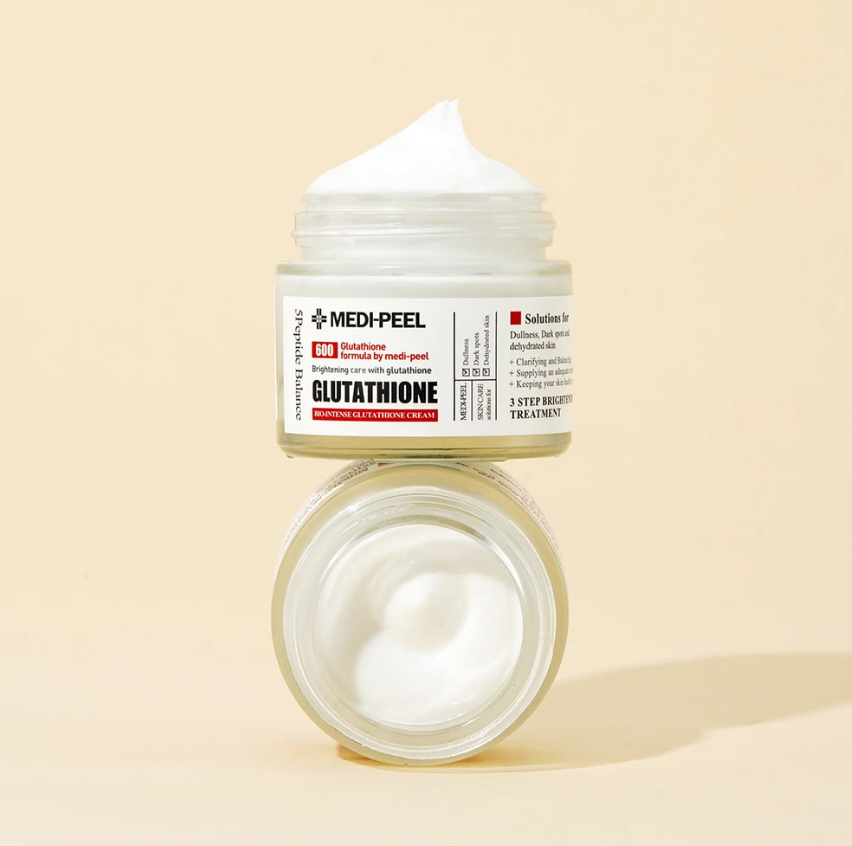
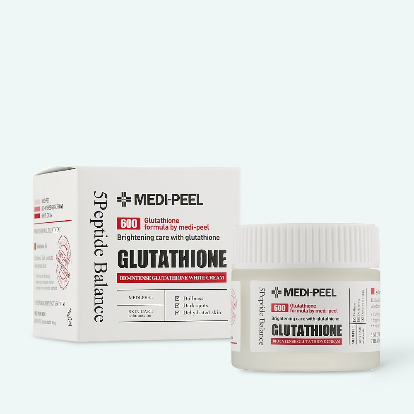
![MEDI-PEEL [MEDI-PEEL] BIO-INTENSE Glutathione White Cream 50g(1.76oz) | Best Price KSA](https://f.nooncdn.com/p/pzsku/ZE16EDD3DB643C45E8342Z/45/_/1686735728/c50e9aab-455c-42b1-856e-ca761d99380c.jpg?width=480)