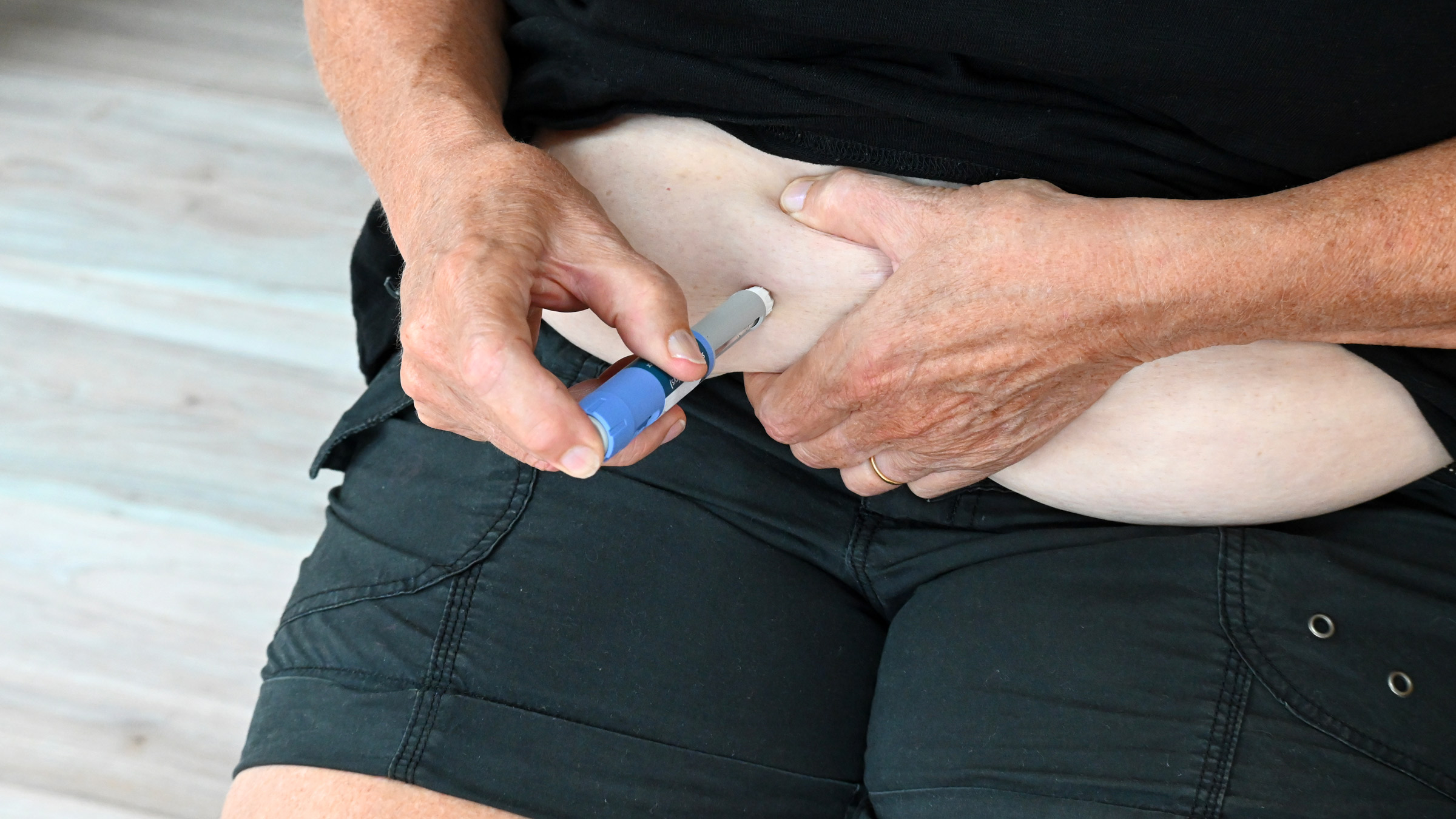
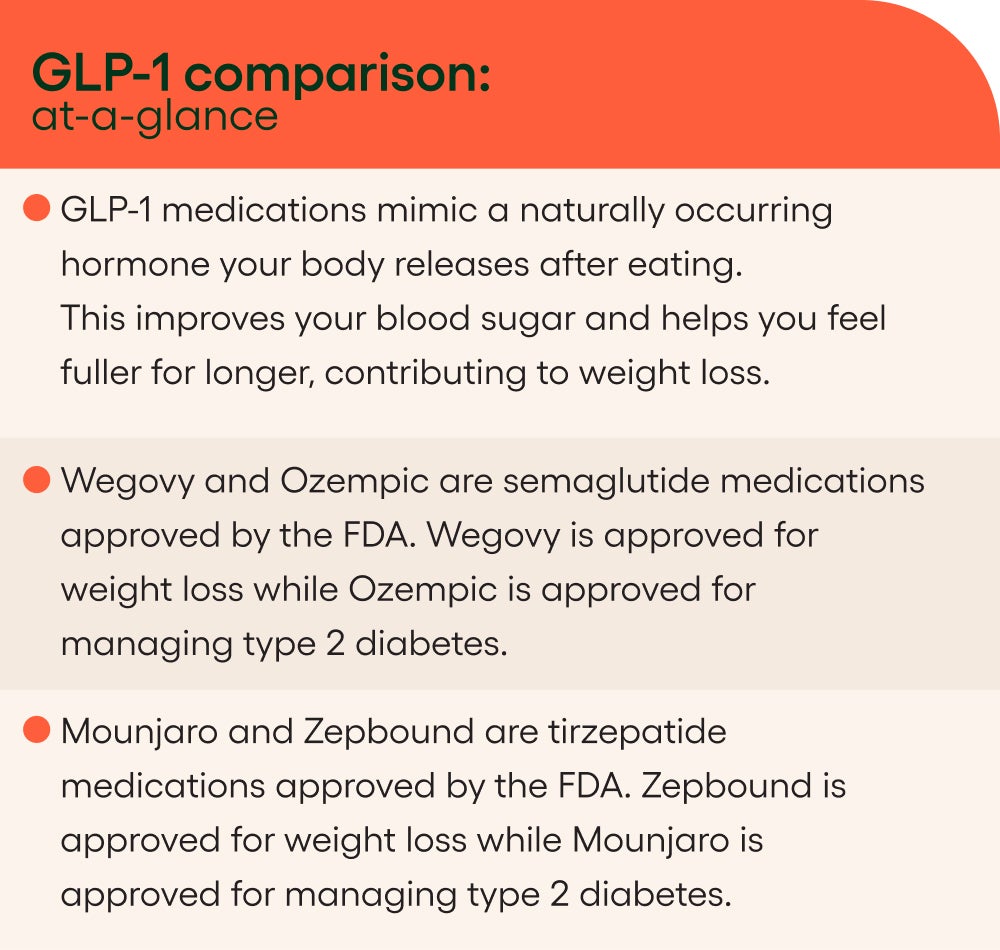
Chronic metabolic conditions are characterized by: Increased production of reactive oxygen species Impaired antioxidant defenses Mitochondrial dysfunction Chronic inflammation Cellular damage to pancreatic -cells, adipocytes, and hepatocytes How GLP-1 Affects Oxidative Stress Research has revealed that GLP-1 receptor agonists exert antioxidant effects through several mechanisms: Direct antioxidant signaling: Activation of the GLP-1 receptor triggers cellular pathways that reduce ROS production Anti-inflammatory effects: Decreases production of pro-inflammatory cytokines that contribute to oxidative stress Mitochondrial protection: Improves mitochondrial function and reduces oxidative damage Endothelial function: Enhances nitric oxide production and vascular health However, during weight loss especially rapid weight loss induced by GLP-1 RAs patients may experience increased oxidative stress due to the mobilization of stored toxins from adipose tissue
The inflammatory response was assessed by measuring proinflammatory cytokines such as interleukin (IL)-1, IL-6, and TNF-, and ferroptosis was assessed by analyzing MDA, GSH, GPX, and free iron (II) levels
Size-dependent effect of silver nanoparticles on the tumor necrosis factor -induced DNA damage response
Glutathione and skin whitening: What is the relationship
Thymosin Beta 4 plays a role in tissue repair and regeneration, which can help alleviate some physical symptoms of menopause





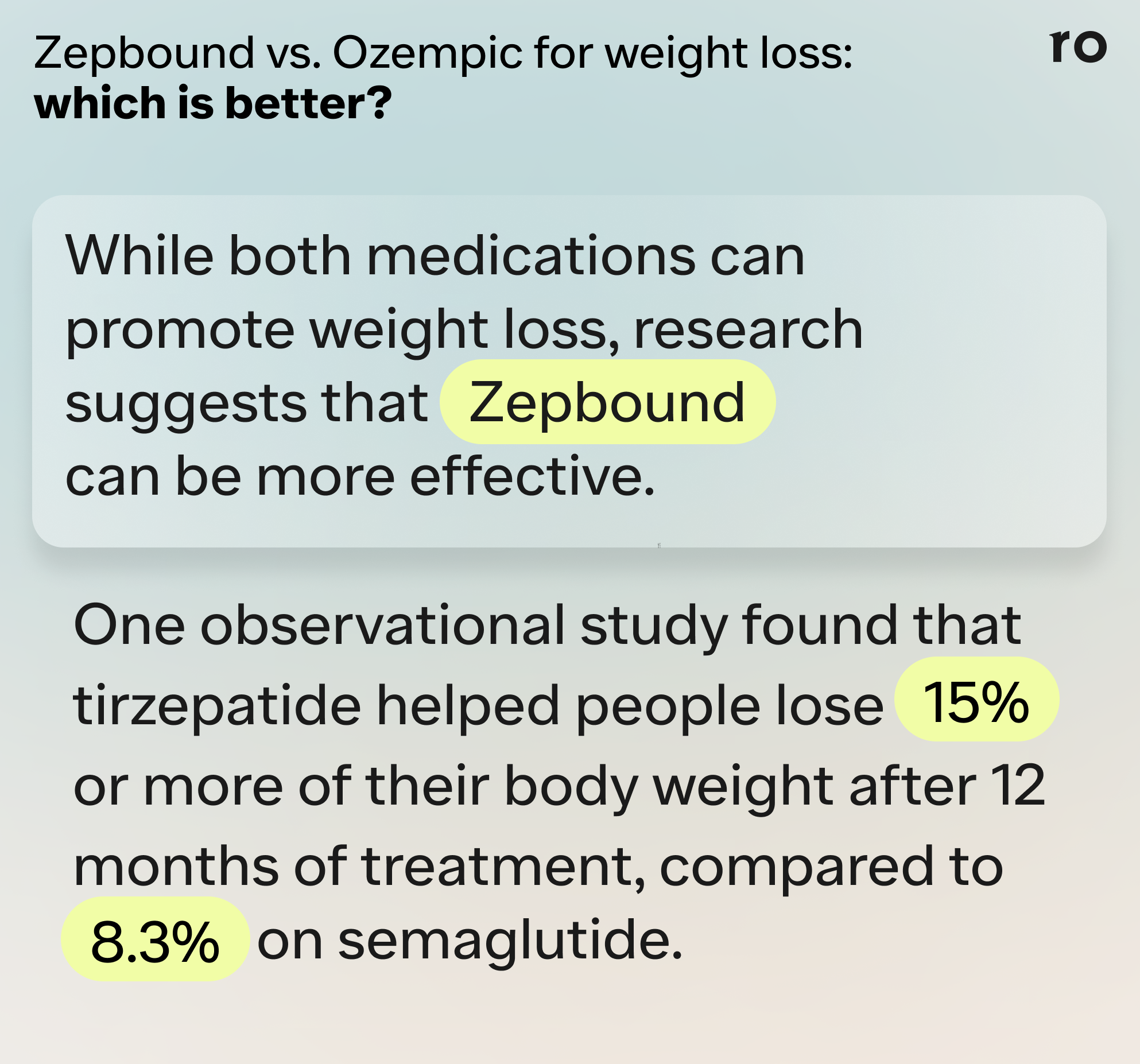
![Is Zepbound the Same as Ozempic? Key Differences Explained [2026]](https://instantuc.com/wp-content/uploads/2026/04/Zepbound-vs.-Ozempic-Mechanism-and-Efficacy-Comparison-2026.png)

:max_bytes(150000):strip_icc()/Health-GettyImages-2153927815-0bf99cd73e2c46908d7fc0973739f6d0.jpg)
:max_bytes(150000):strip_icc()/VWH-GettyImages-2126120259-c2442d334436484baa255439265b7fb1.jpg)