Side Effects and Safety Considerations While generally considered safe when administered under medical supervision, glutathione injections for purposes like skin lightening are not FDA-approved due to insufficient clinical evidence supporting their efficacy and long-term safety specifically for cosmetic use
Nerve: 300 to 500 mcg once or twice daily, subcutaneous, 8 to 12 weeks
In addition, in OA chondrocytes, the decrease in the activity of respiratory chain complexes I, II and III may affect several pathways related to cartilage degradation, including oxidative stress, biosynthesis of chondrocytes, increased inflammation and matrix catabolism induced by cytokines, calcification of cartilage matrix and increased apoptosis of cartilage cells (Blanco et al., 2011)
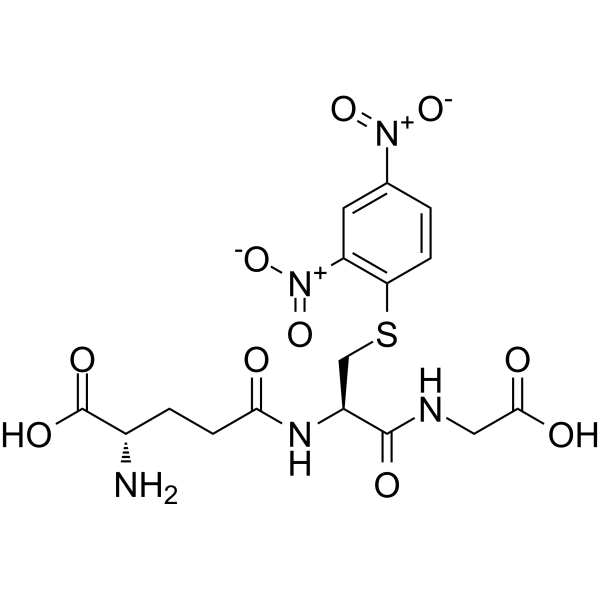
CAS Number: 300801-03-0
Red flags for unsafe peptides Avoid peptides with: High rates of serious side effects Unknown long-term consequences Hormonal disruption risks Organ growth potential Insulin resistance development Difficult-to-manage complications Warning signs: Peptide is "research only" with minimal human data Requires aggressive cycling to avoid tolerance Causes permanent changes (bone/organ growth) Difficult to source safely (suggests regulatory concerns) Risk vs reward assessment Safest peptides: Healing peptides (BPC-157, TB-500) - massive reward, minimal risk Moderate GH peptides (CJC-1295, Ipamorelin) - good reward, low risk Moderate safety: GHRP-6 - good reward, moderate risk (appetite, prolactin) Hexarelin - excellent reward, higher risk (desensitization, cortisol) Higher risk: IGF-1 LR3 - excellent reward, significant risk (hypoglycemia, organ effects) High-dose GH peptides - potential thyroid, insulin issues See our best peptides for muscle growth for comprehensive muscle-building options and peptides vs steroids comparison to understand relative safety