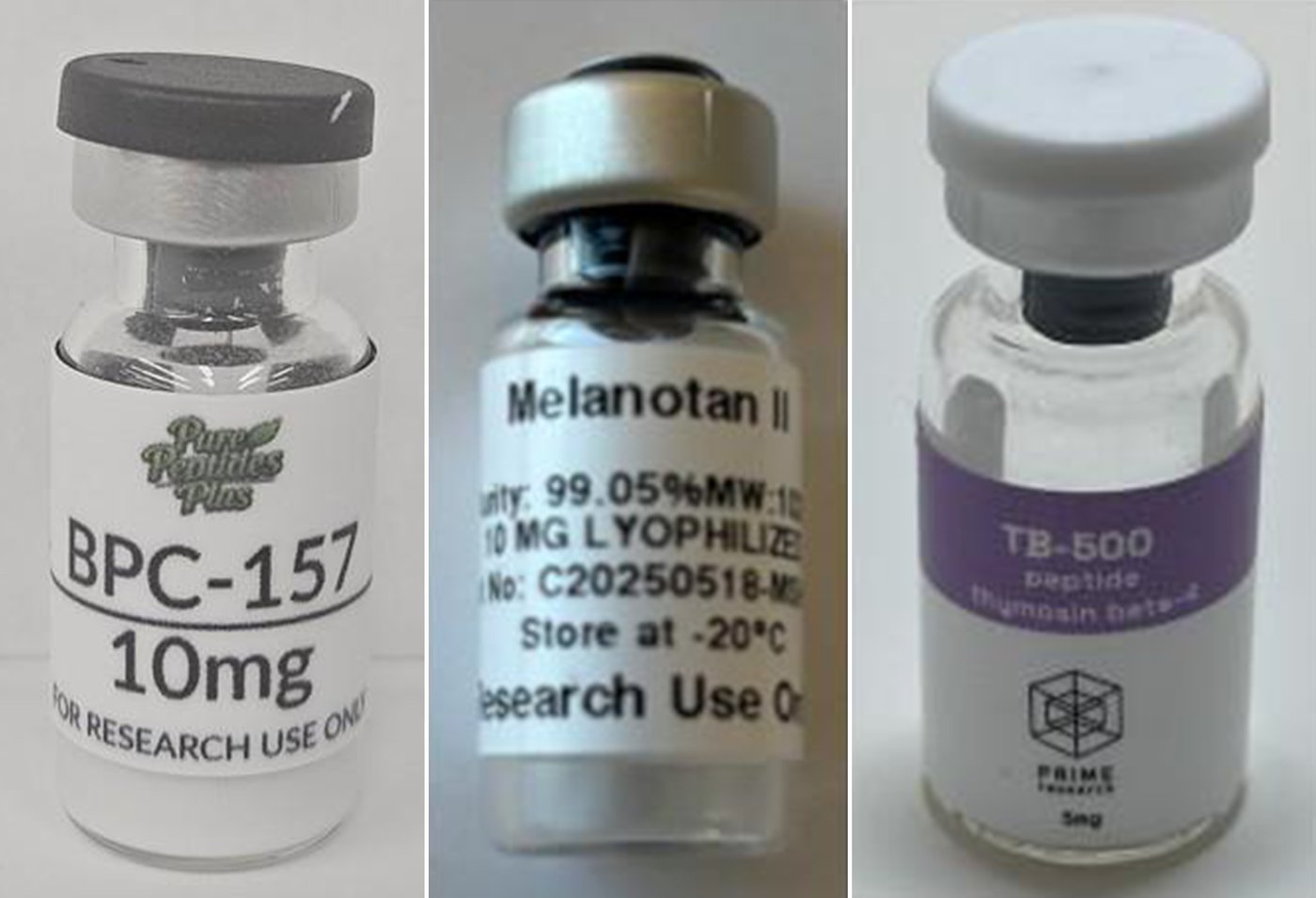
Accelerates wound healing through growth factor modulation Stimulates angiogenesis (formation of new blood vessels) to injured areas Promotes fibroblast activity and collagen formation Protects endothelial function and blood flow Reduces systemic and local inflammation without NSAIDs or corticosteroids Heals tendon-to-bone junctions and muscle strains that are notoriously slow to regenerate BPC-157 improves functional recovery by increasing VEGF expression, enhancing angiogenesis, and accelerating fibroblast migration and collagen deposition. Pevec et al., Journal of Orthopaedic Research While research on humans is still developing, preclinical studies across muscle, tendon, ligament, nerve, and gut tissues have shown consistent healing properties in animal modelswith many athletes and rehab practitioners reporting comparable real-world results
These may complement BPC-157s effects without the potential downsides of pharmaceutical anti-inflammatories during active tissue repair
This interpretation was further supported by CHAC2s lower catalytic activity compared to CHAC1 (Kaur et al., 2017)
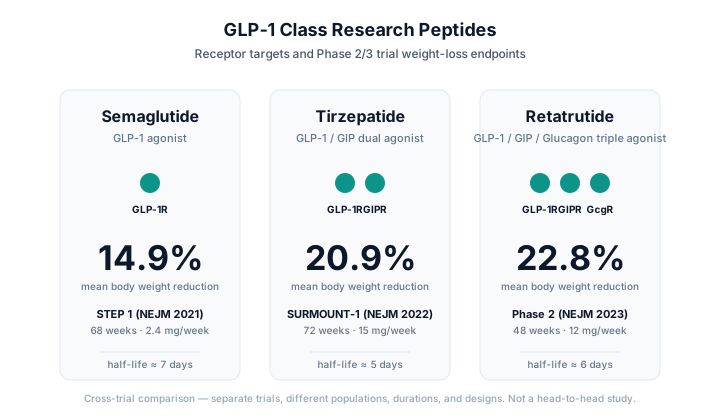
Comparative Mechanisms with Other Agents Compared with metformin, which improves insulin sensitivity primarily through hepatic and muscular pathways, GLP-1 RAs act centrally and peripherally to influence appetite, glucose metabolism, and systemic inflammation
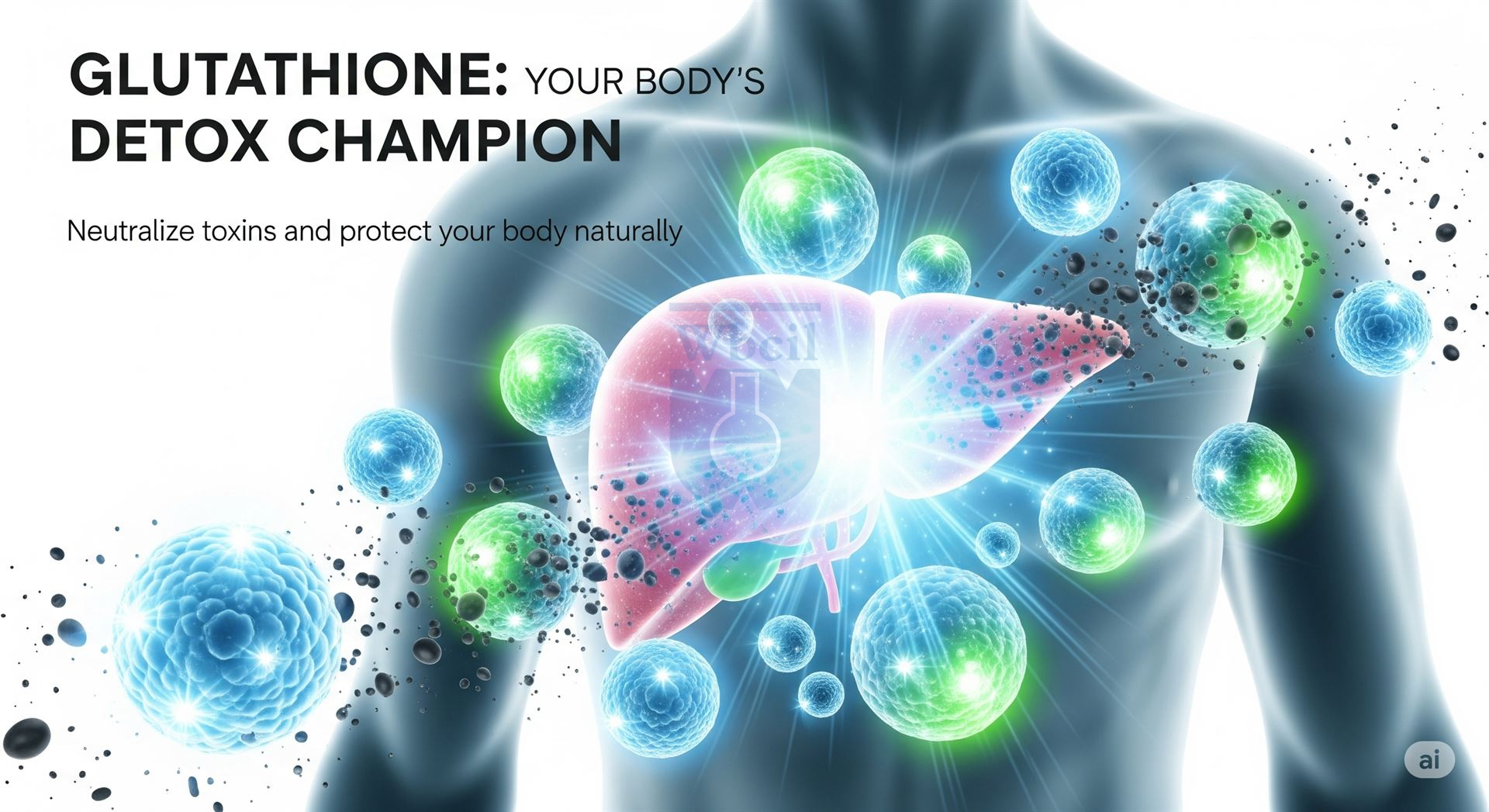
The factor such as the depletion of liver glutathione levels (the site of glutathione storage) which devastated to health